make preferable
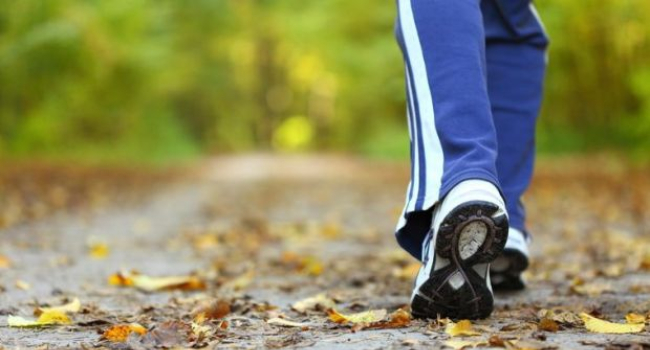
A research team from the Department of Pharmacology and Pharmacy at the Li Ka Shing Faculty of Medicine, University of Hong Kong (HKUMed), has conducted a groundbreaking study revealing a link between walking speed and cancer risk, Euronews reports.
The researchers found that people who walked faster had a significantly lower overall risk of developing cancer, particularly lung cancer. This association held true whether walking speed was self-reported or measured objectively.
The large-scale study analyzed data from more than 430,000 participants in the UK Biobank, with results further validated in a Hong Kong cohort. The findings suggest that the “quality” of walking — specifically, speed — may provide stronger protective benefits than the “quantity” of walking.
Walking speed could serve as a simple indicator of cancer risk, helping to guide personalized cancer prevention strategies. The study was published in the journal Wasting and Osteoporosis.
Cancer remains one of the leading causes of death worldwide, with about 20 million new cases diagnosed each year. Current recommendations from the American Cancer Society emphasize regular physical activity and strength training for cancer prevention. Walking — the most common and accessible form of physical activity — has become a cornerstone of public health efforts.
Previous studies have mostly focused on the duration and frequency of walking in relation to cancer incidence and mortality. However, walking speed, often regarded as a vital sign of overall health, has received less attention in cancer research.
According to Professor Chung Ching Leung, Associate Professor at HKUMed’s Department of Pharmacology and Pharmacy, walking speed is a quick and reliable measure of physical function and is linked to age-related conditions such as cardiovascular disease, dementia, and mortality.
Recent research also shows that skeletal muscles play a role in regulating inflammatory and metabolic processes, which may help explain the biological connection between walking speed and reduced cancer risk.