
 make preferable
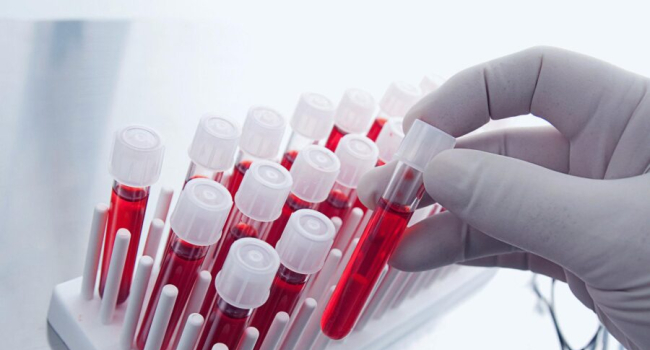
Researchers at Karolinska Institutet in Sweden have developed a new method for assessing the risk of developing serious liver diseases, including cirrhosis and cancer, using three standard blood tests. The development is described in the British Medical Journal (BMJ).
According to these researchers, the model, called CORE, enables to determine with high accuracy the risk of developing serious liver pathologies within 10 years. The tool takes into account age, gender, and levels of AST, ALT and GGT enzymes. The concentration of these substances in the body reflects the state of the liver. Their levels increase in the event of inflammation of the organ, or other pathologies.
The researchers noted that this test could be used in primary care to screen asymptomatic patients.
“Primary care hasn’t had the tools to detect the risk of severe liver disease in time,” says Professor Hagstrom. “FIB-4 is not suited for the general population and is less effective at predicting the future risk of severe liver disease.”
The new CORE model was tested on data from more than 480,000 Stockholm residents who underwent medical examinations between 1985 and 1996. Their health was monitored for 30 years. During this time, 1.5% of them developed severe liver pathologies, or needed a transplant.
The CORE model predicted the likelihood of developing diseases with 88% accuracy, which is higher than that of existing tools. In addition, this model has been successfully validated in independent groups in Finland and the UK.
For the convenience of doctors, an online calculator has already been developed that enables to apply this method in clinical practice.
The researchers emphasize, however, that this model needs further validation in high-risk groups, such as people with type 2 diabetes or obesity.
Also, it needs to be integrated into electronic medical systems to simplify its use in everyday work.





