
 make preferable
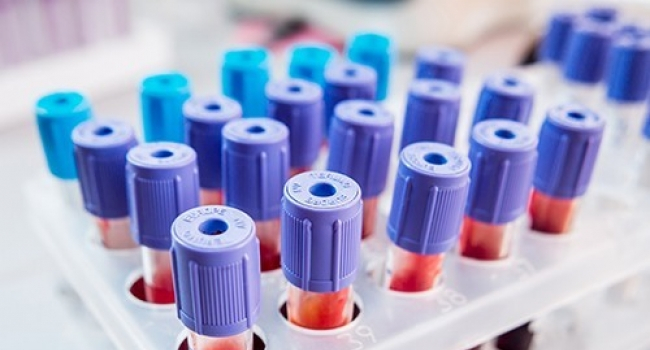
Scientists from the from the University of East Anglia (UEA) and Oxford Biodynamics (OBD) have developed a highly accurate blood test to diagnose myalgic encephalomyelitis, also known as chronic fatigue syndrome (ME/CFS).
The work was published in the Journal of Translational Medicine.
This disease can be extremely debilitating, affecting millions of people worldwide, but for a long time there have been no reliable diagnostic tools. The new test, with 96% accuracy, offers hope to those living with this condition, who are often misunderstood or misdiagnosed. Scientists hope that a similar approach could help develop a test for diagnosing “long COVID” as well.
The lead researcher, Prof Dmitry Pshezhetskiy, from the UEA Norwich Medical School, said that ME/CFS is a severe and often disabling disease characterized by extreme fatigue that does not improve with rest. He added that without reliable tests, many patients go undiagnosed for years, or receive incorrect diagnoses. The new test, however, will help confirm the diagnosis earlier and ensure more effective disease management.
Researchers used OBD’s EpiSwitch technology, which enables them to analyze how DNA “folds” inside blood cells — not just the sequence of genes, but also their three-dimensional structure. They examined blood samples from 47 patients with severe ME/CFS and 61 healthy control subjects. This method made it possible to identify a characteristic pattern of DNA “folding” that consistently appeared in patients, but was absent in healthy individuals. In addition, a link with the immune system and inflammatory pathways was discovered, and this could guide future treatments.
The test demonstrated 92% sensitivity—the ability to identify patients—and 98% specificity—the ability to distinguish healthy individuals.
Scientists argue that this simple blood test could become an important tool in clinical practice, changing the approach to the diagnosis and care of patients with ME/CFS.





