
 make preferable
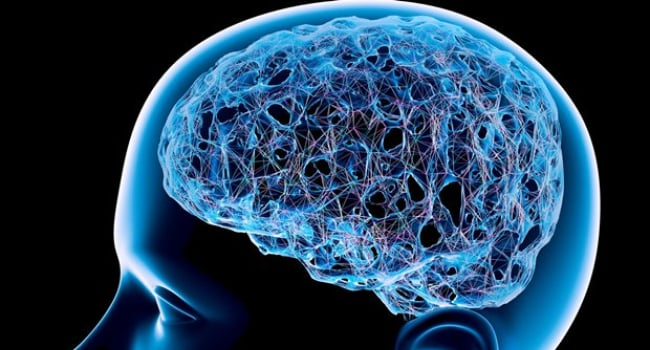
Researchers at the Massachusetts Institute of Technology (MIT) have created a new 3D platform of human brain tissue that, for the first time, combines all major brain cell types — neurons, glial cells, and blood vessels — in a single culture, News Medical Live Sciences reports.
The model, called “miBrain” (Multicellular Integrated Brains), is grown from donor-derived induced pluripotent stem cells and supports gene editing, making it suitable for large-scale research.
Although each “mini-brain” is smaller than a coin, miBrains could become an important tool for studying the structure and function of the human brain, especially in drug development. The cultures contain all six key brain cell types, including blood vessels and immune-protective cells — a combination that had not previously been achieved in a single model.
The advantage of this system is that it combines the accessibility and reproducibility of laboratory cultures with the realism of living human tissue. In addition, because the cells can come from specific donors, the models can be personalized to match individual genetic profiles.
Scientists have already used miBrain to study the APOE4 gene variant, which is associated with a higher risk of Alzheimer’s disease. They found that pathological processes, such as tau protein accumulation, appeared only in these multicellular models and depended on interactions between different cell types.
The developers believe the platform could become a new standard for drug testing, brain disease research, and personalized medicine: “Thanks to its modularity and complexity, the potential applications of the miBrain system are virtually limitless,” the research team noted.





