make preferable
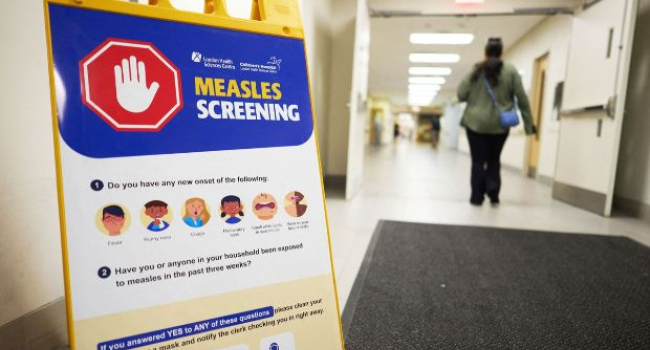
Canada may lose its status as a measles-free country for the first time in more than two decades, NBC News reports.
Over the past year, more than 5,000 cases of measles have been recorded, including two infant deaths, raising serious concerns among public health experts. The outbreak began in the fall of 2024 in the province of New Brunswick and has since spread to nine provinces and one territory, indicating ongoing transmission of the virus.
According to World Health Organization (WHO) standards, a country is considered measles-free if no continuous transmission of the same virus genotype occurs within its borders for at least 12 consecutive months. If transmission persists beyond that period, the “measles elimination” status is revoked. Canada is now on the verge of crossing that threshold.
Experts note that the outbreak is a result of declining vaccination rates observed after the COVID-19 pandemic. Many parents have delayed immunizations, and vaccine hesitancy has increased in some communities. This is especially concerning because measles is one of the most contagious viral diseases — even brief contact can infect an unvaccinated person.
The problem is further exacerbated by international factors: travelers returning from regions with low immunization coverage are bringing the virus into the country. Canadian epidemiologists report that the virus genotype currently circulating in Canada matches strains recently detected in Europe and South Asia.
If Canada officially loses its measles-free status, federal and provincial authorities will need to implement a corrective action plan — an emergency program to boost vaccination rates and enhance surveillance of new cases.
Doctors emphasize that the return of measles is a warning signal for all developed nations, where people have long considered such diseases eradicated. Measles remains a dangerous infection, particularly for infants and individuals with weakened immune systems.