
 make preferable
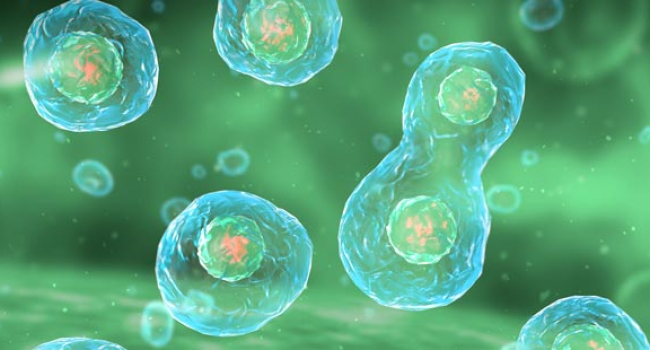
Scientists at the University of California, San Diego have identified an unexpected mechanism that helps cancer cells survive treatment and later restart tumor growth.
The study results were published in Nature Cell Biology.
It turned out that some cells use an enzyme normally associated with programmed cell death to avoid dying and recover after therapy.
Until now, resistance to treatment was thought to arise mainly from mutations that appear as a tumor develops. But the researchers showed that even in the very first days of therapy, when no mutations have yet formed, a small population of so-called “persister cells” emerges. These cells survive drug exposure thanks to the unusual activity of the enzyme DFFB — the DNA fragmentation factor.
Under normal conditions, this enzyme helps break down DNA during apoptosis. But in persister cells, it activates at a level too low to trigger cell death. Instead, this activity prevents the cells from properly responding to signals that should restrict their growth. As a result, the cells become “stuck” in a dormant state, survive therapy, and later reactivate and begin dividing again.
The scientists experimentally suppressed DFFB activity in the surviving cells — and found that in this case, the persisters could not exit dormancy and did not restart tumor growth. This opens the door to new therapeutic approaches targeting early, non-genetic survival mechanisms rather than mutations.
The study was conducted on melanoma, lung cancer, and breast cancer models.
The authors emphasize that understanding the role of such mechanisms is critically important: they may explain why tumors sometimes return even after initially successful treatment, and how such recurrences might be prevented.





