make preferable
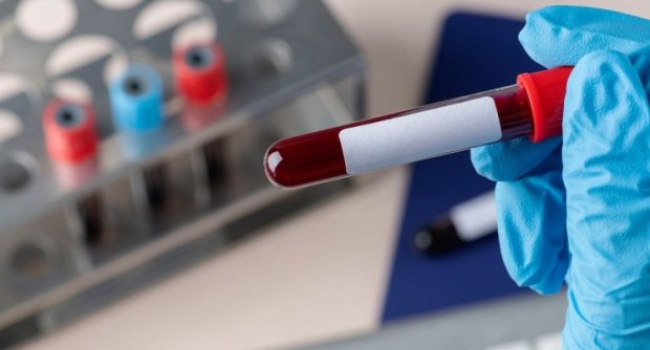
Reducing levels of “bad” LDL cholesterol, traditionally considered beneficial for heart health, may paradoxically increase the risk of developing type 2 diabetes. This conclusion comes from researchers at the University of Naples Federico II, who analyzed data from nearly 14,000 adults. The results were published in the journal *Cardiovascular Diabetology*.
The study found that lower LDL levels were associated with a higher risk of an initial diabetes diagnosis, regardless of statin use. Each 10 mg/dL increase in LDL reduced the risk by approximately 10%, while individuals with very high LDL (≥131 mg/dL) had the lowest risk. Although statins increased the likelihood of diabetes across all groups, the overall trend remained: low LDL itself was linked to an elevated risk of impaired glucose metabolism.
These findings align with genetic studies showing that mutations lowering LDL often simultaneously increase diabetes risk, suggesting a shared biological mechanism not directly related to statin use. The authors believe that this information could help physicians adopt a more balanced approach to therapy, considering not only target cholesterol levels but also the patient’s individual metabolic characteristics.