make preferable
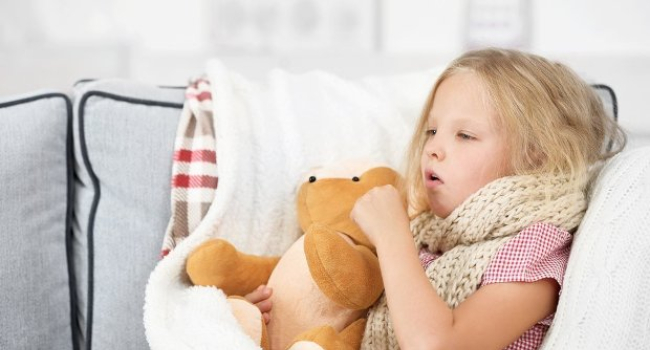
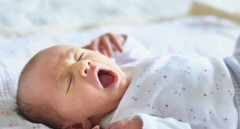
Infants who experience severe illness from a common virus are significantly more likely to develop asthma during childhood, especially if allergies or asthma run in their families, a new study has shown.
According to the researchers, infection with the respiratory syncytial virus (RSV) in infancy and a genetic predisposition to allergies interact in a way that makes children more vulnerable to asthma — a chronic condition that causes inflammation and swelling in the airway passages of the lungs.
This means that protecting newborns from RSV may help reduce the burden of asthma later on, the study published in Science Immunology says.
“This study highlights that the immune system is particularly vulnerable in the very first weeks of life,” said Hamida Hammad, one of the study’s authors and a principal investigator at the VIB-UGent Center for Inflammation Research (IRC).
“Even a single viral infection during this period can shape respiratory health for years,” she told Euronews Health in a written comment.
RSV typically causes mild, cold-like symptoms, but for infants under six months it can be more dangerous. Each year it leads to around 213,000 hospitalizations of children under five in the European Union, Norway, and the United Kingdom.
According to recent data, asthma has been diagnosed in 5.7% of EU residents, with rates ranging from 1.5% in Romania to 9.4% in Finland.
Researchers believe that finding ways to prevent asthma — which has no cure — is a major public-health priority.
They analyzed medical records for all children born in Denmark from 1994 to 2018 and conducted controlled laboratory experiments to identify how early viral infections interact with genetic allergy risks.
Newborns hospitalized with RSV infection were diagnosed with asthma three times more often than those who were not hospitalized. The risk was even higher in severely ill infants whose parents had asthma.
Other scientists have noted a link between RSV and childhood asthma, but proving that the virus directly causes the condition has been difficult.
In experimental mouse models, the researchers found that viral infections trigger changes in the immune system that make newborns more sensitive to common allergens such as dust mites. They also discovered that mothers with allergies pass related antibodies to their babies, further increasing their sensitivity to these irritants.
The researchers say the findings may support wider use of RSV vaccination, as it could improve long-term respiratory health in children.
“If preventing RSV infection also reduces the risk of asthma, the benefits for families and healthcare systems could be enormous,” said Dr. Bart Lambrecht, one of the study’s authors and scientific director at IRC.
In 2023, the European Union approved the first RSV vaccine designed to protect infants up to six months old. If a woman is vaccinated during pregnancy, the vaccine triggers the production of antibodies that are passed to the developing fetus.
Health authorities recommend vaccination for pregnant women in Belgium, France, Luxembourg, and Slovenia, though coverage remains uneven.
“This is the moment when policymakers, scientists, and pediatricians can come together,” Lambrecht said.
Если нужно, могу сделать короткую версию, адаптировать текст под новостной сайт или написать заголовок в другом стиле.