make preferable
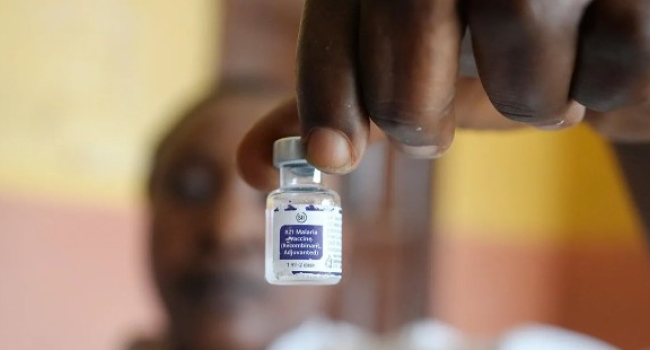
Malaria cases and resultant deaths worldwide increased last year amid funding cuts and a growing risk of drug resistance, the World Health Organization (WHO) warned in its World malaria report 2025.
According to estimates, there were 282 million malaria cases and 610,000 deaths in 2024, which is about nine million more cases and 12,000 more deaths than the previous year.
Eleven African countries account for about two-thirds of malaria cases and deaths, and progress in reducing the malaria mortality rate remains far off track, WHO officials said.
The rise in cases in 2024 has been particularly worrying because it does not yet reflect the impact of this year’s funding cuts, Gareth Jenkins, Executive Director at Malaria No More UK, said in a statement.
Wealthy countries such as the United States, the United Kingdom, Germany, and France have sharply reduced funding for global health programs, including malaria control initiatives, Euronews reports.
WHO stated that the reduction in international aid increases the risk of malaria outbreaks and resurgence, while previous funding levels were already insufficient.
According to the aforesaid report, global funding for malaria control efforts in 2024 was estimated at $3.9 billion (3.4 billion euros). This is slightly less than the previous year’s figure and far below the $9.3 billion (8.1 billion euros) that health experts estimate is needed.
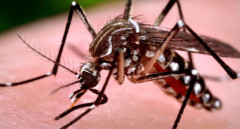
Malaria remains one of the world’s major public health problems. It is transmitted to humans through the bites of mosquitoes infected with the parasite, which makes its eradication more difficult than in diseases transmitted from person to person.
Overcoming malaria is becoming increasingly challenging because the parasite that transmits the disease evolves, making existing treatment and prevention methods—such as mosquito nets treated with insecticide—less effective, WHO warned.
At least eight African countries have reported partial resistance to artemisinin, which, according to WHO, has been the foundation of malaria therapy since the pathogen developed resistance to chloroquine, the primary treatment used since the early 1980s.
Jenkins called for increased global funding for malaria control, including the development of new treatments, “next-generation” mosquito nets, and vaccination campaigns.
We need leaders who not only understand the scale of potential malaria resurgence, but also see the potential of malaria science to help countries, he added.