make preferable
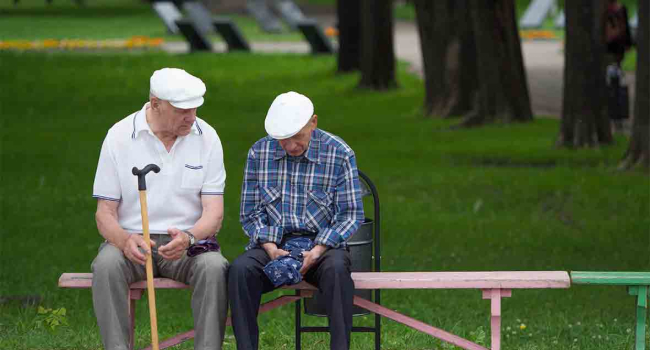
Spending many hours sitting—whether watching television, reading, or using a tablet—significantly increases the risk of chronic diseases in older adults, according to an international team of researchers. The study was published in the Journal of Physical Activity and Health (JPAH).
The scientists analyzed data from 28 studies involving more than 82,000 people aged 60 and older. The results showed that the more time older adults spend sitting, the worse their key cardiometabolic indicators become: blood sugar and cholesterol levels rise, waist circumference increases, and blood pressure goes up. This was true even for those who regularly engage in physical exercise.
“This relationship cannot be ignored. You can fully meet the weekly physical activity guidelines, but if you spend the rest of your time sitting, your health is still at risk,” said Daniel Bailey, a researcher on the health effects of sedentary behavior at Brunel University.
According to the researchers, millions of people are effectively “accumulating” their risk of heart attack, stroke, or diabetes on a daily basis—often without realizing it.
Notably, the negative effects of prolonged sitting were observed even in apparently healthy individuals with no diagnosed diseases. The strongest and most consistent association was found with increased waist circumference, one of the most reliable predictors of future health problems.
“We are seeing these effects in people who do not yet feel ill. This means we have a chance to intervene early, before symptoms appear,” Bailey noted.
Physical activity was found to offset the harm only partially: even after accounting for exercise levels, the negative consequences of long hours of sitting persisted.
The researchers conclude that new strategies are needed—not only encouraging people to be more physically active, but also helping them reduce the amount of time spent sitting. Simple measures may include standing during phone calls, replacing some television time with a walk, or doing light household chores.