make preferable
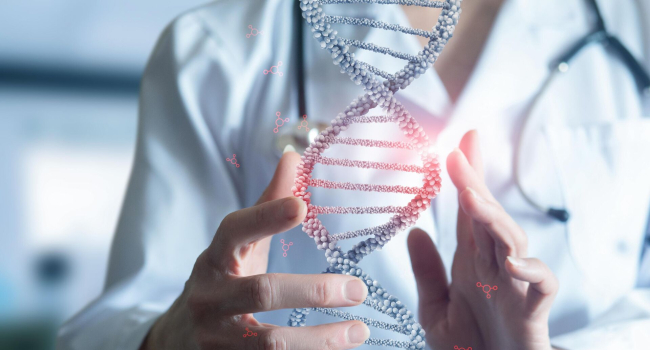
Researchers at the Icahn School of Medicine at Mount Sinai in New York City have developed an artificial intelligence (AI) tool capable not only of identifying dangerous genetic mutations, but also of predicting which specific diseases they may cause. The findings of the respective were published in the journal Nature Communications (NatCom).
The aforesaid method has been named V2P (variant-to-phenotype). And unlike existing algorithms that assess only the potential “harmfulness” of a mutation, V2P predicts its clinical consequences; that is, it links a specific DNA variant to likely diseases or disorders.
The tool was trained on massive databases that include both pathogenic and harmless genetic variants, as well as information about the diseases associated with them. This enables the system to single out those DNA changes that most likely explain a patient’s health condition, instead of analyzing thousands of insignificant variants.
During testing on anonymized data from real patients, V2P often ranks the actual disease-causing mutation among the top ten most likely candidates; this points to the method’s high potential in accelerating and improving the accuracy of genetic diagnosis, especially in the case of rare and complex diseases.
Researchers add that V2P’s capabilities go beyond diagnosis alone. The tool can help researchers identify the key genes and biological pathways underlying specific diseases, as well as contribute to the development of targeted drugs aimed at the genetic mechanisms of pathology.