
 make preferable
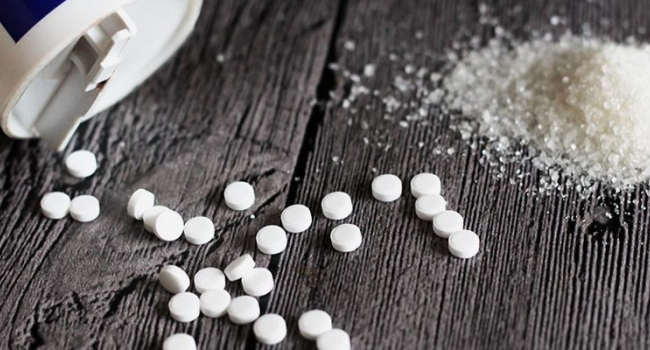
Long-term consumption of aspartame may have adverse effects on the functioning of internal organs, even at doses significantly below the acceptable limits. This conclusion was reached by an international team of scientists who studied the effects of year-long aspartame intake in a mouse model. The study was published in the journal Biomedicine & Pharmacotherapy (B&P).
Aspartame is one of the most widely used sweeteners, found in diet beverages, confectionery products, and chewing gum. It is about 200 times sweeter than sugar and for a long time was considered a safe alternative to sucrose. However, in recent years, a growing body of research has pointed to possible metabolic risks associated with its prolonged consumption.
In the new study, scientists administered aspartame to mice for one year at a dose equivalent to approximately one-sixth of the maximum allowable daily intake for humans. When converted to human units, this amounted to about 7 mg per kilogram of body weight—significantly below the thresholds established by international regulators.
At the end of the experiment, researchers recorded an approximately 20% reduction in fat deposits in the animals. However, this effect was accompanied by unfavorable changes: the mice exhibited moderate cardiac hypertrophy as well as impaired cognitive performance.
“We observed that aspartame does indeed reduce fat mass, but it does so at the cost of functional changes in the heart and, likely, the brain,” the authors noted. According to them, the findings suggest that weight loss achieved with the help of this sweetener may be accompanied by hidden physiological costs.
The researchers paid particular attention to the fact that the negative effects appeared at very low doses of the substance. “The dose used was significantly below the maximum permissible level, which underscores the importance of our findings,” they emphasized.
The study employed a wide range of methods—from magnetic resonance and positron emission tomography to behavioral tests, body temperature analysis, and assessments of food and water intake. This comprehensive approach made it possible to identify effects that had previously gone undetected due to the complexity and duration of such experiments.
The authors stressed that this is one of the first studies to analyze the effects of aspartame consumption over a full year. In their view, the results fill an important gap in understanding the long-term impact of artificial sweeteners and point to the need for a more critical assessment of their regular consumption as part of a typical diet.





