make preferable
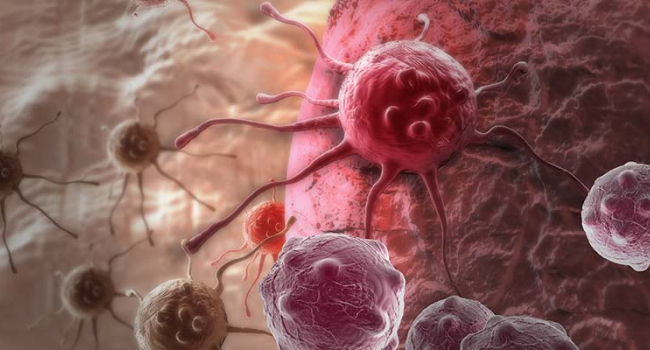
Researchers at the Olivia Newton-John Cancer Research Institute (ONJCRI) have found that the TAK1 gene helps cancer cells survive by repelling immune system attacks and limiting the effectiveness of immunotherapy. The findings of the respective study were published in Cell Reports.
The aforesaid researchers discovered that TAK1 acts like a “safety switch,” protecting tumors from signals from CD8⁺ T cells, which are the immune system’s primary “killers.”
Also, genetic research showed that deleting TAK1 using CRISPR/Cas9 technology significantly slows tumor growth in mice with normal immune function.
“It is known that TAK1 promotes cancer cell survival and blocks cell death, however we didn't know that cancer cells use this tactic to avoid killing by the immune system,” explained the study’s lead author, Dr. Anne Huber, Postdoctoral Researcher at ONJCRI.
Switching off the gene deprives the cells of the cFLIP protein, which normally prevents their death. This change increases the tumor’s sensitivity to immune response. According to the researchers, this discovery points to the potential for developing new treatment strategies: blocking TAK1 could enhance the effects of existing immunotherapies.
In the future, the aforesaid research team plans to test targeted TAK1 suppression methods, for example using nanoparticles, and assess how this could strengthen the anti-cancer immune response. The new approaches may help the immune system effectively destroy previously resistant tumor cells.