make preferable
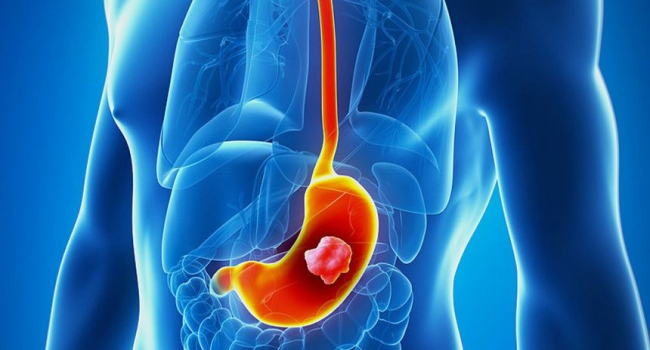
Scientists from Yonsei University College of Medicine have found that gastric cancer can arise autonomously—without relying on signals from the surrounding tissue that normally tightly control cell division. The findings were published in the journal Molecular Cancer (MolC).
In a healthy stomach, epithelial cells are completely dependent on their microenvironment. Nearby “niche” cells use signaling molecules to determine when growth should begin and when it must stop. A key role in this process is played by WNT signaling: without external WNT signals, cells of the gastric mucosa are simply unable to divide.
Until now, it remained unclear how this dependence is lost in gastric cancer. Unlike colorectal cancer, where the WNT pathway is constantly activated due to characteristic mutations, such changes are relatively rare in gastric tumors. The new study shows that cancer cells solve this problem in a different way—by beginning to produce growth signals themselves.
The researchers discovered that activation of the MAPK signaling pathway, often associated with mutations in the KRAS or HER2 genes, triggers the production of the WNT7B molecule by the tumor cells themselves.
As a result, a closed feedback loop is formed: the cells secrete WNT7B, activate their own WNT signaling, and continue to proliferate even in the absence of support from the surrounding tissue. In this way, gastric cancer acquires the ability for autonomous growth at an early stage.
The mechanism was identified in experiments on genetically modified mice and confirmed in organoids—three-dimensional mini-tumors grown from patient tissues. The consistency of results across different models indicates a direct link between the discovered process and human gastric cancer.
The authors note that this mechanism points to potential therapeutic targets for blocking gastric cancer growth at the earliest stages.