make preferable
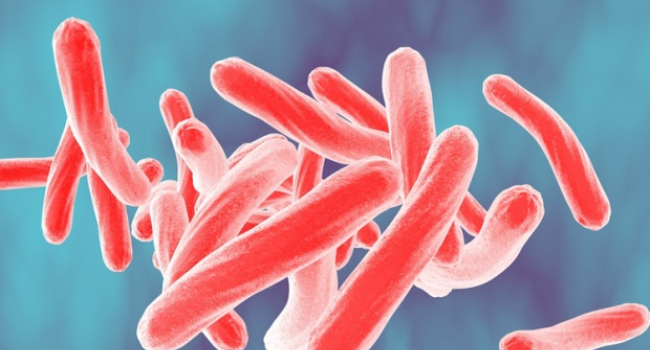
A new study sheds light on how Koch’s bacillus—the bacterium Mycobacterium tuberculosis, which causes tuberculosis—uses the human immune system itself to promote infection and spread throughout the body.
The study was published in the journal Cell Host & Microbe and offers an updated understanding of the molecular mechanisms that allow the pathogen not only to survive inside immune cells but also to exploit them for its own benefit.
Tuberculosis remains one of the leading causes of death from infectious diseases worldwide, and the bacterium’s resistance to antibiotics further exacerbates the situation. To develop more effective treatment strategies, it is crucial to understand how M. tuberculosis manipulates the host immune response.
Scientists have found that M. tuberculosis is capable of modulating the defensive responses of immune cells—macrophages—in a way that creates a favorable environment for its own replication. Macrophages are key cells of the innate immune system that normally engulf and destroy pathogens. However, the tuberculosis bacterium “hijacks control”: it not only avoids destruction but also exploits host-cell mechanisms for its replication and movement throughout the body.
Immune receptors and signaling pathways responsible for initiating inflammation and activating protective functions play a key role in this process. M. tuberculosis activates certain signals while suppressing others, creating an imbalance that reduces the ability of macrophages to effectively combat infection. As a result, the bacteria reside in a relatively safe environment inside cells and can spread within the lungs and other tissues.
The analysis showed that the tuberculosis bacterium stimulates the expression of specific host genes that promote pathogen survival, while simultaneously suppressing components of the immune response that could lead to its elimination. This allows the pathogen not only to evade direct destruction but also to use the body’s immune response for its own development.
These findings have practical significance. Understanding which signaling pathways the bacterium uses to manipulate the immune system opens new prospects for the development of targeted therapeutic interventions. Instead of directly killing bacteria with antibiotics—which can drive resistance—new approaches may aim to restore normal macrophage immune responses, depriving the pathogen of “helpers” within the body’s own defense mechanisms.
Scientists emphasize that further study of these processes could accelerate the development of immunomodulatory drugs and vaccines that help the body more effectively cope with tuberculosis, reducing both the spread of the disease and the severity of its course.