
 make preferable
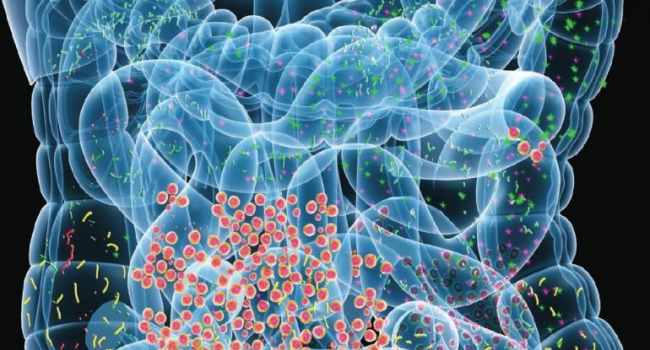
A new study shows that chemotherapy acts not only on tumor cells but also reshapes gut bacteria in ways that may hinder the formation of metastases—secondary cancer lesions.
The findings were published in the journal Nature Communications.
Although the collateral damage of chemotherapy to the intestinal lining is well known, scientists have discovered that changes in the structure of the gut microbiota trigger a cascade of events that influence the body’s immune system.
Researchers at the University of Lausanne found that when chemotherapeutic drugs damage the intestinal mucosa, they alter the availability of nutrients for resident microbes. This forces the microbiota to adapt, leading to increased production of a specific metabolite—indole-3-propionic acid (IPA), derived from tryptophan.
Unlike effects confined to the gut, IPA acts as a systemic signal that travels from the intestine to the bone marrow. There, it reshapes immune cell production by reducing the generation of immunosuppressive monocytes—cells that typically help tumors evade immune attacks and promote metastatic growth. This reprogramming of immune output makes the body less susceptible to cancer spread.
The authors note that this effect was unexpected: what had long been considered merely a harmful side effect on the gut turned out to be capable of inducing a structured systemic response that enhances the immune system’s anti-tumor activity.
Moreover, the researchers found evidence of a similar mechanism in patients with colorectal cancer. After chemotherapy, these patients showed increased levels of IPA in the blood and a reduction in immunosuppressive monocytes, which correlated with a better prognosis.
These results broaden our understanding of how chemotherapy interacts with the body: the impact of anticancer drugs extends beyond the direct destruction of tumor cells and includes complex microbiota-driven changes that can strengthen immune defense against metastases.





