make preferable
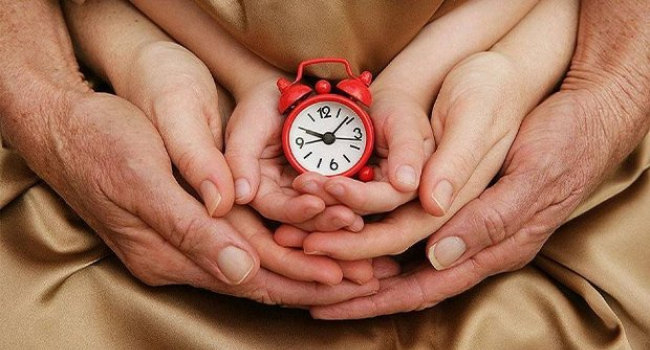
Many people notice that at 20 they had enough energy to cope with sleep deprivation, late-night side jobs, and an active lifestyle without visible consequences. By 40, this “resilience” often declines, and fatigue becomes chronic. However, according to data from physiology and neurobiology, the issue is not so much aging itself as it is the combination of several factors, reports The Conversation.
At a young age, most biological systems operate at their peak. Muscle mass remains high even without regular training, and muscles, as metabolically active tissue, reduce the energy cost of daily activities. Mitochondria, responsible for energy production, are more numerous and efficient in youth, while sleep contains more phases of deep slow-wave sleep that ensure physical recovery.
Hormonal rhythms at 20 are also more stable. Cortisol, melatonin, growth hormone, and sex hormones are produced according to predictable daily cycles, maintaining a steady level of alertness.
By 40, no single system breaks down, but the accumulation of small changes becomes noticeable. Muscle mass gradually decreases without strength training, and ordinary physical activity requires more energy. Mitochondria function less efficiently, making it harder for the body to compensate for lack of sleep and stress.
Sleep at this age is often fragmented: although its duration may remain the same, the proportion of restorative phases declines. As a result, fatigue accumulates and does not disappear after just one period of rest.
Hormonal instability plays a special role, especially in women. The problem is not so much low hormone levels as their fluctuations, which affect thermoregulation, sleep, and energy rhythms.
By 40, cognitive load also often increases: managerial responsibilities, work obligations, and caring for children and elderly relatives. The prefrontal cortex of the brain, responsible for planning and control, requires significant energy resources and can impose a load comparable to physical labor.
At the same time, studies show that the situation may stabilize with age. After a transitional period, hormonal systems level out, life roles may simplify, and cognitive load can decrease. Sleep may become shorter but more efficient, while strength training and physical activity in one’s 60s and 70s can still improve metabolism and energy levels.
According to scientists, pronounced fatigue at 40 is not a sign of inevitable decline, but rather the result of a mismatch between changing biology and high life demands. It is not the finale, but a signal that the rules of the game have changed.
Follow NEWS.am Medicine on Facebook and Twitter
Print | Armenian