make preferable
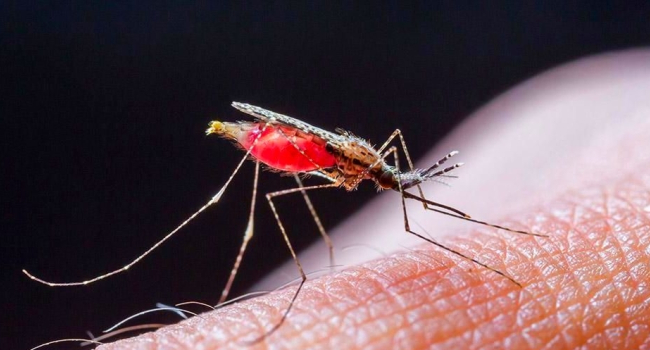
Scientists at the University of Nottingham have identified a protein that is critical for the reproduction and transmission of the malaria parasite. The molecule, Aurora-related kinase 1 (ARK1), is essential for the parasite to complete its life cycle. The findings were published in Nature Communications (NatCom).
Researchers studied how the malaria-causing parasite, Plasmodium, divides—an unusual process compared to human cells. They discovered that ARK1 plays a key role in organizing the molecular machinery that distributes genetic material between new parasite cells.
To test the protein’s function, scientists deactivated ARK1 in laboratory conditions. The parasites then lost their ability to divide properly: replication was disrupted, and development stalled.
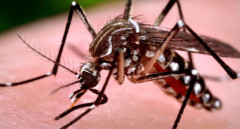
As a result, Plasmodium lacking ARK1 could not complete its life cycle in either humans or mosquitoes, the disease’s vector. This indicates that without ARK1, the parasite cannot spread malaria.
The researchers note that ARK1 in Plasmodium is structurally very different from similar proteins in human cells. This makes it a promising target for drugs that could selectively attack the parasite without harming human cells.