make preferable
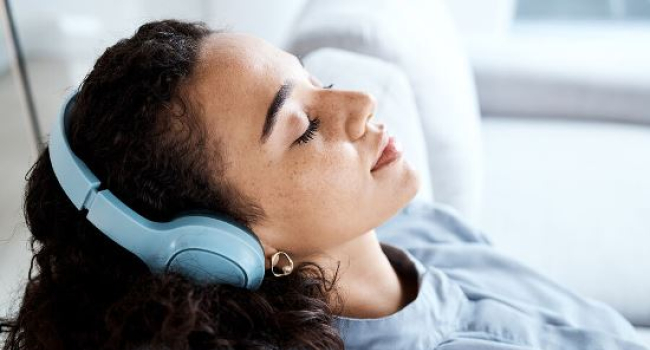
Headphones have long become a part of daily life: people listen to music, podcasts, and talk on the phone for several hours a day. However, their use may affect not only hearing but also the microbial environment inside the ear, reports The Conversation.
Most recommendations regarding headphone use focus on volume levels. The World Health Organization advises keeping sound below 60% of the device’s maximum volume to reduce the risk of hearing loss. But experts note that ear health is influenced not only by volume but also by the prolonged wearing of headphones.
This is especially true for in-ear models, the so-called “earbuds.” They block the ear canal and can transfer bacteria or dirt from the device surface onto the skin.
Normally, the ear canal has its own defense system. Its inner part produces earwax and oils that maintain skin health and protect against infection. Tiny hairs and earwax help remove dust, bacteria, and dead skin cells, allowing the ear to essentially clean itself.
However, prolonged headphone use can disrupt this balance. A healthy ear canal hosts a variety of microorganisms — mainly bacteria, along with fungi and viruses. Their diversity helps prevent the growth of potentially harmful microbes.
A 2024 study found that people who consistently use hearing devices had lower bacterial diversity in the ear canal than those who did not. Scientists link this to the canal being closed off for extended periods.
Another study published in 2025 showed that headphone use is associated with a higher risk of ear infections, especially when devices are shared. In-ear headphones create a warmer and more humid environment inside the ear canal, which may promote infections and ear discharge.
High humidity is particularly likely during workouts when a person sweats. This environment can encourage infection and disrupt the natural cleaning process of the ear canal via earwax.
Experts recommend giving the ears periodic “breaks” by removing headphones during the day. This allows the ear canal to ventilate and reduces the risk of moisture buildup. It is also important to clean the devices regularly. They can be wiped with a soft cloth or brush with a small amount of soapy solution, then thoroughly dried before use.
If itching, redness, or discharge occurs, doctors advise temporarily avoiding in-ear headphones and seeking medical consultation.