make preferable
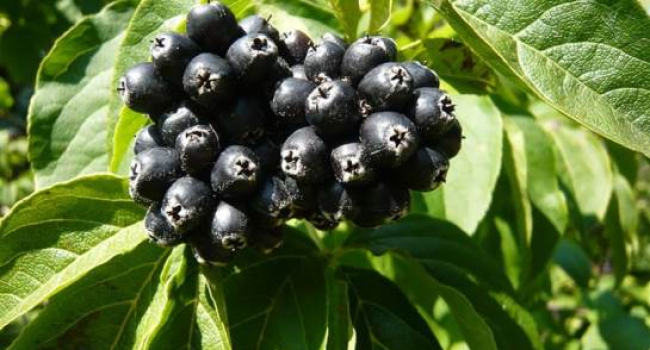
Eleutherococcus senticosus (E. senticosus), better known as Siberian ginseng, is botanically different from true Panax ginseng, yet it has been used for centuries in traditional medicine in Northeast Asia. In Europe, it is recognized for traditional use in alleviating symptoms of asthenia, such as fatigue and weakness, reports News Medical Life Sciences.
Modern pharmacological studies suggest that eleutherosides, caffeoylquinic acids, and polysaccharides may influence inflammatory signaling pathways, neuroimmune responses, and cellular energy metabolism in preclinical models. However, clinical evidence remains limited, methodologically heterogeneous, and insufficient for definitive conclusions about effectiveness.
The root of E. senticosus contains phenolic compounds, lignans, coumarins, and polysaccharides. Key quality markers are eleutherosides B (syringin) and E. Among the proposed active components, eleutheroside B is associated with anti-inflammatory and adaptogenic properties, although it does not fully explain the fatigue-reducing effects. The root also contains isofraxidin and other coumarins, flavonoids, triterpenoid saponins, and steroids, with composition varying depending on climate, environment, and plant genetics.
Preclinical studies indicate that E. senticosus extracts may inhibit inflammatory signaling pathways by reducing the expression of nuclear factor NF-κB, phosphorylation of MAP kinases, and levels of pro-inflammatory cytokines such as IL-6 and TNF-α, as well as limiting iNOS activity. These effects have been observed in cellular and animal models, but depend on the type of extract and tissue studied.
Neuroprotective effects are linked to the anti-inflammatory activity of eleutherosides, which may be relevant for neurodegenerative processes. In preclinical models, E. senticosus reduced neuroinflammation, increased levels of brain-derived neurotrophic factor (BDNF), and showed potential anxiolytic and antidepressant effects. However, clinical evidence in humans is still lacking.
Despite its popular classification as an adaptogen, there is little direct evidence of consistent effects on the hypothalamic–pituitary–adrenal axis in humans. Small studies suggest possible improvements in endurance, lipid metabolism, and oxygen consumption, but results are limited by small sample sizes, lack of standardization, and insufficient placebo control.
The European Medicines Agency (EMA) does not classify eleutherococcus root as a clinically proven treatment for fatigue, but allows its traditional use for symptoms of asthenia in adults and adolescents over 12 years old, for up to two months, with a maximum dose of 4 g of dried root per day and a minimum eleutheroside B and E content of 0.08%.
The plant is generally considered safe, but side effects have been reported, including insomnia, irritability, tachycardia, and headache. There is also a risk of interactions with medications, including antidepressants, which may increase bleeding risk or cause irritability, dizziness, and headaches.