make preferable
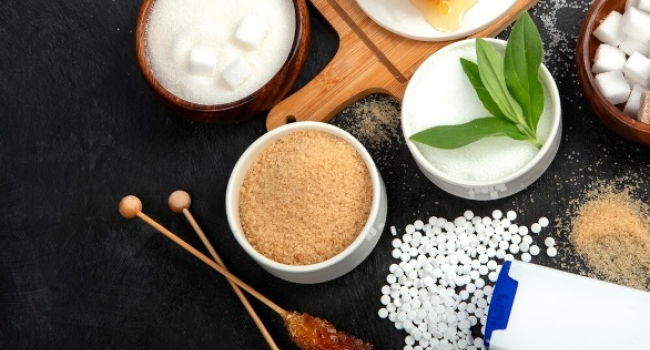
Artificial sweeteners are widely used as an alternative to sugar, but their effects on appetite and food intake remain a topic of scientific debate.
A new study published in the journal Nutrients suggests that, despite their intense sweetness and low calorie content, these substances do not lead to increased food consumption under controlled conditions.
The study examined the effects of a mixture of acesulfame potassium and cyclamate on hunger, satiety, and overall energy intake.
The experiment was conducted across different stages — before weight loss, after weight loss, and during weight maintenance.
The results showed that levels of satiety and fullness did not significantly differ from those in the control group, which consumed water. Participants also did not compensate for the sweet taste by eating more food.
This indicates that, in the short term, artificial sweeteners do not stimulate overeating.
Interestingly, the study found that consuming sweeteners reduced the desire to eat something sweet, and this effect persisted regardless of differences in the taste of the beverages. This may point to a potential role for these substances in controlling sugar cravings.
However, their effect on expected food intake was mixed and appeared to depend on context, including taste perception.
Despite these findings, the authors emphasize that the results should be interpreted with caution. The sample size was limited, and the study lacked sufficient statistical power to draw definitive conclusions about the impact on appetite. Larger, more standardized clinical trials are needed to confirm these effects.
In the broader scientific context, evidence remains inconsistent. Some studies suggest that certain sweeteners may influence appetite regulation through brain mechanisms or the gut microbiota, but such effects are often observed only in specific groups or experimental conditions and are not consistently confirmed in human clinical trials.