make preferable
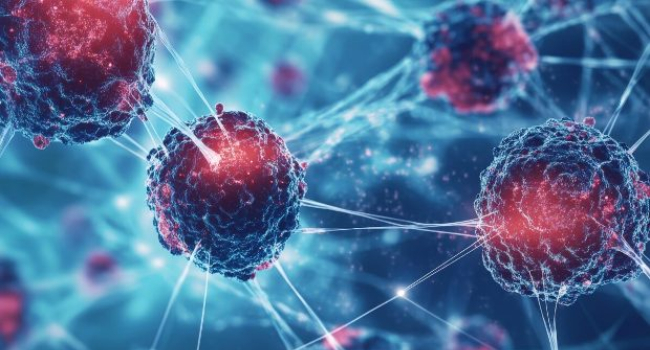
Scientists have discovered that tiny genetic mutations can significantly influence the behavior of cancer cells and the response of the immune system. The findings were published in the scientific journal Cancer Discovery.
The study focuses on so-called subclonal mutations—small DNA changes found in specific groups of cells within the same tumor. These genetic variations are not present in all cancer cells but only in certain subpopulations. Researchers concluded that these subtle differences may determine how aggressive a tumor is, how fast it grows, and how it interacts with the immune system.
The team analyzed genetic data from hundreds of tumor samples from patients with various types of cancer, including lung, breast, and colorectal cancers. They found that mutations within a single tumor can differ so greatly that cancer cells “communicate” with the immune system in different ways: some cell groups can evade immune detection, while others become more visible to white blood cells.
According to the study, subclonal mutations affect two key tumor characteristics: the growth rate of cancer cells and the tumor’s ability to escape immune surveillance. As a result, two tumors with the same diagnosis may behave very differently depending on the structure of these mutations.
The researchers emphasize that understanding the role of subclonal mutations could help develop more precise treatment methods. In particular, analyzing these changes may form the basis for personalized therapy strategies that take into account not only the overall genetic profile of a tumor but also its internal heterogeneity. This is especially important in the context of immunotherapy, where the patient’s immune system is trained to recognize and destroy cancer cells.
Experts note that the future of oncology lies in a deeper analysis of the genetic landscape of each tumor, including the smallest variations that are often missed in standard tests. This knowledge could become key to more effective treatment of aggressive and therapy-resistant forms of cancer.