make preferable
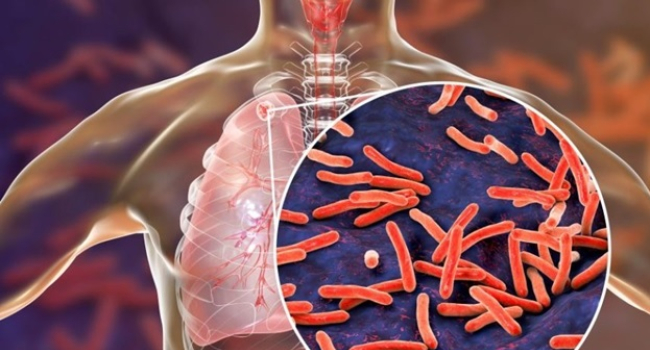
One in five tuberculosis cases in the European Region in 2024 remained undiagnosed or unreported, according to a joint epidemiological surveillance report by the World Health Organization Regional Office for Europe and the European Centre for Disease Prevention and Control.
The report states that the European Region, which includes 53 countries across Europe and Central Asia—30 of them members of the EU and the European Economic Area—continues to lag behind in meeting both regional and global targets for eliminating tuberculosis. This is reflected in persistent challenges in case detection and significantly higher levels of drug resistance compared to other regions. In 2024, a total of 161,569 new and relapsed tuberculosis cases were reported across 51 of the 53 countries (17.2 cases per 100,000 population).
Drug resistance remains a major concern: 23% of new tuberculosis cases in Europe are drug-resistant, compared to 3.2% globally. Among previously treated patients in Europe, 51% show resistance to the anti-tuberculosis antibiotic rifampicin, compared to 16% worldwide.
Although tuberculosis incidence in the European Region has declined by 39% since 2015 and deaths have fallen by 49%, both figures remain below the targets set by the End TB Strategy for 2025, which aim for reductions of 50% and 75%, respectively. In the EU/EEA, cases have decreased by 33% and deaths by 17%. However, most EU/EEA countries are unlikely to meet the 2030 targets, potentially resulting in thousands of preventable infections and deaths.
“Across the European Region, one in five people with tuberculosis remains outside the reach of health services. This is not only a gap in diagnosis, but also a missed opportunity to start treatment earlier, prevent suffering, and stop further transmission. We have made progress: since 2015, tuberculosis incidence has fallen by 39% and mortality by 49%. But progress is still too slow, and drug-resistant tuberculosis remains one of the most serious threats we face. As this year’s World TB Day slogan says, yes—we can end tuberculosis through the efforts of countries and people. By investing in rapid diagnostics, shorter all-oral treatment regimens, and stronger surveillance, countries can reach more people earlier, improve outcomes, and get back on track toward our goals,” said Hans Kluge, Director of the WHO Regional Office for Europe.