make preferable
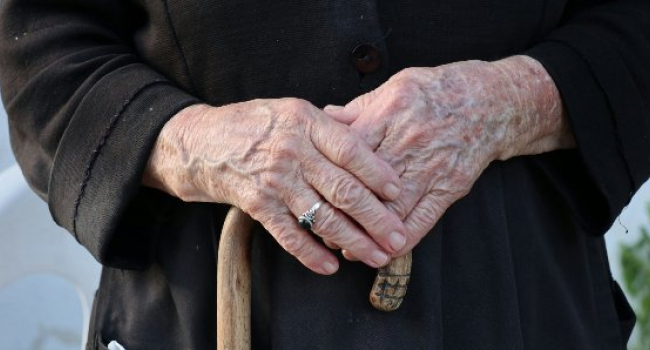
Scientists from Emory University have found that in older adults and patients with Parkinson’s disease, the brain and muscles respond differently to loss of balance compared to younger people. The study was published in the journal eNeuro.
In previous experiments, researchers examined the response of young individuals who were suddenly thrown off balance. This triggered a rapid automatic response involving the brainstem and muscles. With stronger destabilization, a second wave of activity occurred, involving the cerebral cortex.
In the new study, scientists compared these mechanisms in older adults and patients with Parkinson’s disease. It turned out that even with minor balance disturbances, they exhibit stronger brain activation and increased muscle activity.
“Restoring balance requires more energy and greater brain involvement in these groups. When a person has to engage the brain more intensively, their ability to recover balance is reduced,” explained study leader Lena Ting.
Additional changes were observed at the muscular level. Normally, when trying to maintain balance, one group of muscles is activated while the opposing group relaxes. However, in older adults and patients with Parkinson’s disease, both groups often contract simultaneously. This leads to excessive stiffness in movements and worsens the ability to stabilize.
According to the authors, this mechanism may explain why the risk of falls increases with age and why coordination is impaired in patients with Parkinson’s disease.
The researchers suggest that their approach could be used in the future for early diagnosis of fall risk. In particular, assessing muscle activity in response to sudden loss of balance may serve as an indirect indicator of brain overload.
“We can detect increased brain activity by analyzing muscle responses after unexpected balance disturbances,” Lena Ting noted.
The authors emphasize that the method requires further refinement. However, in the future it may help identify people at increased risk of falls and allow timely prescription of balance and coordination training, reducing the likelihood of injuries.