make preferable
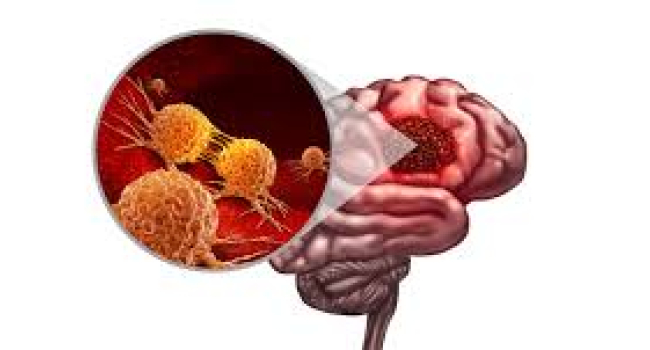
Researchers at the Mayo Clinic have created an experimental nanotherapy that delivers two cancer drugs directly to brain tumors, according to a study published in Communications Medicine. In preclinical glioblastoma models—the most aggressive type of brain cancer—this approach significantly extended survival.
The nanotechnology strategy packages two established cancer drugs into tiny particles capable of crossing the brain’s protective blood-brain barrier to reach tumor cells. In experiments using patient-derived tissue, combining the nanotherapy with radiation more than doubled survival compared with untreated controls.
Glioblastoma is notoriously hard to treat. Even with surgery, radiation, and chemotherapy, patients typically survive about 15 months after diagnosis. Many drugs struggle to reach brain tumors effectively, and those that do often become less effective as tumors develop resistance.
The new method employs small lipid-based carriers called liposomes to deliver a combination of everolimus (or rapamycin) and vinorelbine directly to cancer cells. By ensuring both drugs reach the same cells simultaneously, the therapy aims to maximize tumor-killing effects while minimizing toxic side effects from higher drug doses.
“Glioblastoma remains extremely challenging due to drug resistance and limited drug delivery to the brain,” says Debabrata (Dev) Mukhopadhyay, Ph.D., professor of biochemistry and molecular biology at Mayo Clinic, Florida, and a senior author of the study. “Our method targets tumors directly and combines therapies in a way that enhances their efficacy.”
The combination therapy targets tumor growth pathways and impairs the cancer’s DNA repair mechanisms, making tumors more sensitive to radiation.
This strategy could represent a promising new avenue for glioblastoma treatment and for advancing technologies that deliver novel cancer therapies to the brain. Additional safety and dosing studies are ongoing before clinical trials can begin. If successful, the approach may eventually be used orally or intravenously alongside standard treatments or as an option for patients whose tumors resist current therapies.
“While still in development, this work is an important step toward more precise and less toxic cancer treatments, potentially improving patients’ quality of life,” Dr. Mukhopadhyay adds.
The study was partially funded by the National Institutes of Neurologic Disorders and Stroke of the National Institutes of Health (award number R01NS129671).