make preferable
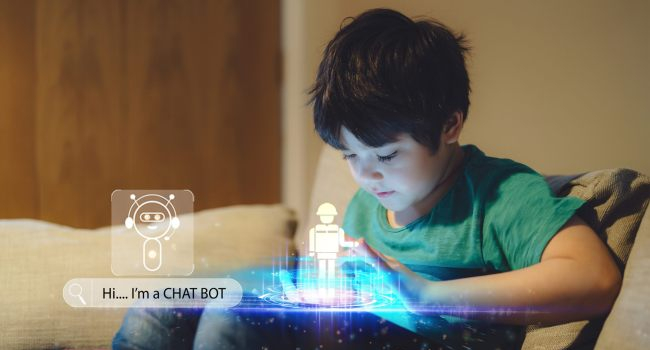
A new study from Drexel University suggests that many teenagers are increasingly becoming dependent on AI-powered companion chatbots, raising concerns about their impact on mental health and daily life.
Researchers estimate that more than half of U.S. teens regularly use AI companion apps such as Character.AI, Replika, and Kindroid, which are designed to simulate emotional interaction and companionship. While these tools are intended for entertainment and support, the study indicates that their use can evolve into unhealthy dependence.
The research analyzed over 300 Reddit posts from users aged 13 to 17 discussing their experiences with Character.AI. Many teens reported initially using the chatbots for emotional support, loneliness, or entertainment, but later developing patterns consistent with behavioral addiction. In some cases, usage was linked to sleep disruption, academic difficulties, and strained real-life relationships.
Researchers identified all six core components of behavioral addiction in these accounts, including salience, withdrawal, tolerance, relapse, conflict, and mood modification. Teens described feeling emotionally attached to chatbots, experiencing anxiety when not using them, and repeatedly returning to the apps even after attempts to stop.
Experts note that AI companions differ from earlier technologies because they are interactive, personalized, and emotionally responsive, which can make them feel like real relationships rather than tools. This can make disengagement more difficult and emotionally challenging.
The study highlights the need for safer chatbot design. Researchers propose features such as usage tracking, emotional check-ins, usage limits, and easier “off-ramps” to help users step away gradually. They also emphasize the importance of involving mental health professionals in the design process.
While AI companions can provide comfort and support, researchers warn that without proper safeguards, they may encourage unhealthy emotional attachment, particularly among vulnerable teenagers.