make preferable
The war in Iran has already begun affecting medicine prices in England—including some of the most commonly used drugs such as painkillers and allergy treatments, The Guardian reports.
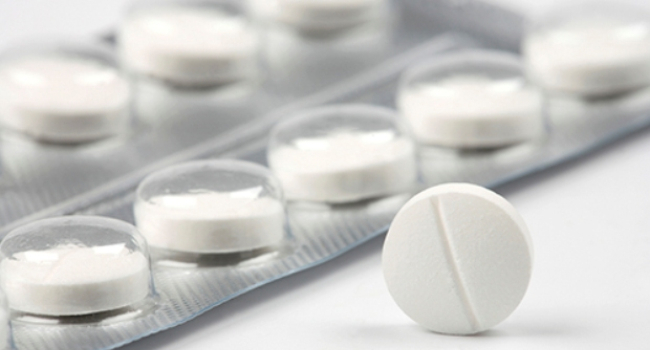
According to the National Pharmaceutical Association, paracetamol prices in regular pharmacies have increased by around 20–30% compared to February. In some cases, wholesale prices briefly doubled. There are also reports of supply disruptions for certain doses of aspirin and combination painkillers.
The price increase has also affected antihistamines, such as cetirizine, commonly used for seasonal allergies. Its cost has also risen by roughly 20–30%.
The main reason is rising supply chain costs. After the outbreak of the war, fuel and transportation prices increased sharply, directly affecting pharmaceutical production and delivery. An additional factor is the higher cost of air freight, which is a major route for importing medicines into the UK.
Raw material shortages are also contributing to the problem. Petrochemical components used in manufacturing many medicines (including paracetamol and aspirin) have become more expensive and less accessible.
Pharmacists report that wholesale prices for pharmacies have risen particularly sharply. For example, the cost of a pack of paracetamol from one supplier increased from 41 pence to nearly £2, although it later partially decreased.
Some pharmacies have already temporarily stopped selling certain over-the-counter medicines due to supply disruptions. Experts warn that if key supply routes do not stabilize, further price spikes are possible, especially during allergy season.
At the same time, specialists urge people not to stockpile medicines, as panic buying could worsen shortages and drive prices even higher.