make preferable
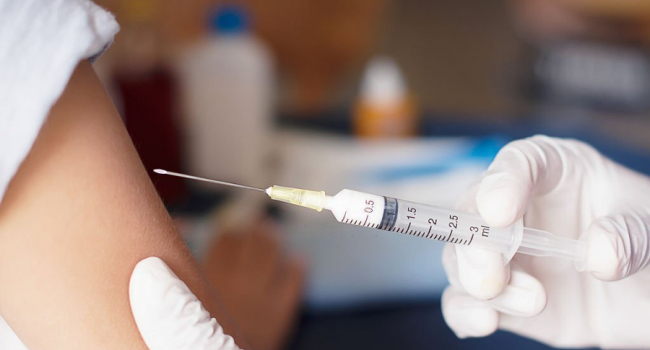
Thousands of patients in England each year will benefit from a new immunotherapy treatment that can be used against several types of cancer, the NHS has announced.
The injectable version of pembrolizumab can be given in under two minutes. It works by blocking a protein called PD-1, which normally slows down the immune system. By blocking this “brake,” the treatment helps the immune system detect and attack cancer cells more effectively.
This new form will replace the current intravenous version, which is delivered through a drip in a specialist clean-room setting. That process is more complex and time-consuming, taking around two hours per patient session and requiring significant NHS resources.
Most of the approximately 14,000 patients already receiving pembrolizumab are expected to switch to the injection.
The treatment will be given either as a one-minute injection every three weeks or a two-minute injection every six weeks. NHS England estimates this change could save over 100,000 staff hours annually in preparation and administration time.
This follows the earlier rollout of another immunotherapy drug, nivolumab, which is also given by injection and is already used for up to 15,000 patients. Together, these treatments now cover nearly 30 types of cancer across the NHS.
Professor Peter Johnson, NHS national clinical director for cancer, said the new injection is a major step forward, offering patients faster and more convenient treatment and reducing the burden of hospital visits while freeing up NHS capacity.
One of the first patients, 89-year-old Shirley Xerxes from St Albans, said the treatment was surprisingly quick and allowed her to spend more time doing everyday activities like gardening.
University Hospitals Bristol and Weston NHS Foundation Trust, along with East and North Hertfordshire Teaching NHS Trust, will be among the first hospitals in England to provide the injection.
James Richardson from NHS England described the development as a “win-win,” saying patients spend less time in hospital while clinicians gain more capacity to treat others.