make preferable
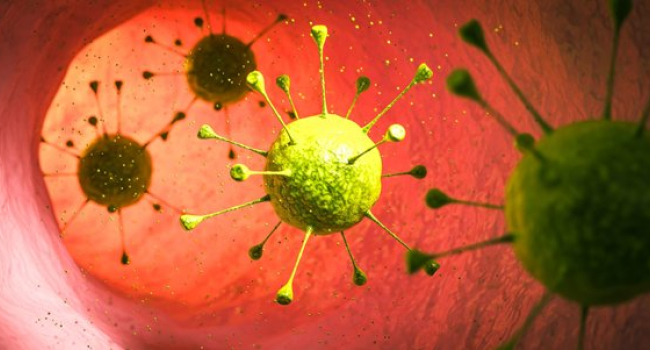
A recent study published in Nature Microbiology has introduced a new genetic tool capable of accurately tracing how bacteria are transmitted from person to person. The method, called TRACS (TRAnsmision Clustering of Strains), is already being seen as a major step forward in understanding the spread of infections.
One of the main challenges for epidemiologists is that many bacterial strains appear nearly identical at the genetic level. This makes it difficult to determine whether an infection was passed directly between individuals or acquired from a shared source, such as contaminated food, water, or the environment. The new tool addresses this issue by detecting extremely subtle differences in bacterial genomes.
TRACS uses genomic data to distinguish closely related strains and determine whether two infection cases are directly linked. In effect, it allows researchers to reconstruct transmission chains — creating a detailed map of how bacteria spread between people.
The developers emphasize that the tool is not only highly accurate but also relatively easy to use, making it suitable for real-world applications in hospitals and public health systems.
Its practical importance is significant. Technologies like TRACS could greatly improve the management of infectious disease outbreaks, including those caused by antibiotic-resistant bacteria. For example, they can help quickly identify whether transmission is occurring in hospitals, within households, or through external sources, enabling faster and more targeted interventions.
In addition, the tool provides deeper insight into bacterial evolution and transmission mechanisms, including complex processes such as gene exchange between microorganisms, which play a key role in antibiotic resistance.