make preferable
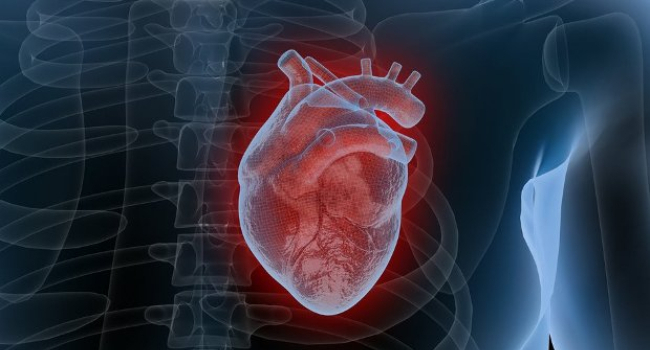
A new study published in European Journal of Preventive Cardiology suggests that high-intensity interval training (HIIT) may be one of the most effective forms of exercise for patients with cardiovascular disease.
HIIT involves alternating short bursts of very intense effort with periods of rest. Researchers found that this “pulsed” pattern places a stronger stimulus on the cardiovascular system than traditional moderate exercise.
One key mechanism is increased shear stress in blood vessels during intense activity, which boosts the production of nitric oxide — a molecule essential for vessel dilation and vascular health. This improves endothelial function, a critical factor in heart disease.
The analysis also showed that HIIT can significantly increase aerobic capacity (VO₂ max), sometimes more effectively than moderate training. Longer high-intensity intervals (lasting several minutes) may offer even greater benefits, although more research is needed.
Importantly, researchers stress that such training should be conducted under medical supervision, especially for heart patients, as it requires careful individual adjustment.
Overall, the findings add to growing evidence that HIIT not only improves fitness but also targets key mechanisms of cardiovascular health, from vascular function to metabolism.