make preferable
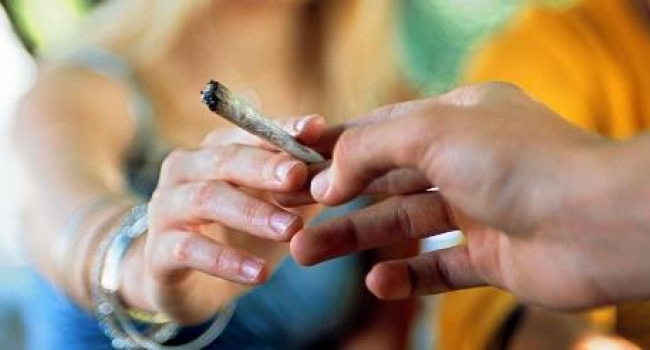
A new study published in the American Journal of Preventive Medicine suggests that cannabis microdosing is far more widespread than previously thought. According to survey data, about 9.4% of adults in the United States—roughly 24 million people—have tried microdosing cannabis at least once in their lives.
Microdosing refers to taking very small amounts of a substance—typically between one-fifth and one-twentieth of a standard dose—with the aim of avoiding strong psychoactive effects while retaining perceived “subtle” benefits such as improved mood or reduced anxiety.
The study found that cannabis clearly leads among substances used for microdosing, significantly outpacing psilocybin, LSD, and MDMA. Regular use, however, is less common: about 3.3% of adults reported that they currently practice cannabis microdosing.
Interestingly, motivations vary depending on the substance. Cannabis is more often used for “practical” purposes—such as managing conditions like anxiety, depression, or chronic pain—whereas psychedelics are more commonly microdosed for a milder recreational experience.
Another key finding relates to mental health. Individuals who rate their mental health as poor are significantly more likely to engage in microdosing. For example, among this group, about 21% reported using cannabis in this way, compared to roughly 8% among those who report excellent well-being.
However, the authors emphasize that despite growing interest, scientific evidence on the benefits of microdosing remains limited and inconsistent. Most existing studies do not provide a clear answer as to whether such practices genuinely improve mental health. In addition, risks remain—from inaccurate dosing to concerns about the quality of the substances themselves.