make preferable
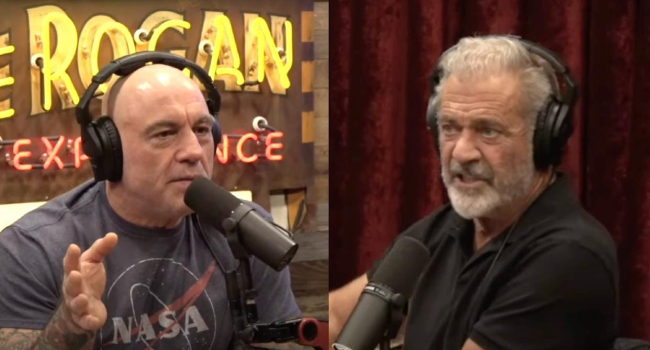
Prescriptions for the anti-parasitic drug ivermectin more than doubled after a celebrity mentioned it as a cancer treatment on a popular podcast. This was shown in a study led by scientists from the University of California, Los Angeles.
The surge in interest followed actor Mel Gibson’s appearance on The Joe Rogan Experience on January 9, 2025. During the interview, he spoke about three acquaintances with stage IV cancer who, according to him, improved after taking ivermectin and fenbendazole. Clips from the podcast gained tens of millions of views on social media within weeks.
Although ivermectin and benzimidazole drugs, including fenbendazole, have demonstrated anti-tumor activity in laboratory studies and animal experiments, there is still no clinical evidence proving their safety and effectiveness for treating cancer in humans. Ivermectin is approved by the U.S. Food and Drug Administration only for the treatment of parasitic infections in humans, while fenbendazole is approved solely for veterinary use.
The largest increase in prescriptions was observed among men, white patients, residents of the southern United States, and people with cancer diagnoses.
The findings, published in JAMA Network Open, raised concerns among scientists. According to the researchers, statements made by celebrities may encourage patients to use unproven treatments and delay or отказаться from therapies whose effectiveness has been scientifically established.
Senior author of the study John N. Mafi said that the sharp rise in prescriptions following a single podcast episode is deeply concerning.
Researchers compared prescriptions for the combination of ivermectin and benzimidazoles from January to July 2025 with the same period the previous year, using anonymized electronic medical records from more than 68 million patients in the TriNetX database.
The study found that the overall number of prescriptions for this drug combination more than doubled after the podcast aired. Among cancer patients, the figure increased by more than 2.5 times. In the southern United States, prescriptions rose to more than three times the level recorded during the same period a year earlier.
Lead author Michelle Rockwell emphasized that such cases demonstrate how quickly misinformation can influence people’s medical decisions.
The authors noted several limitations of the study: it does not prove a direct cause-and-effect relationship, the sample may not fully represent the entire U.S. population, and the analysis focused on prescriptions written by doctors rather than actual drug use by patients.
The researchers believe further studies are needed to determine whether patients are replacing evidence-based cancer treatments with these drugs, whether this leads to worsening health outcomes, and what measures could help counter medical misinformation more effectively.
Study co-author Katherine Kahn noted that not all popular medical information is reliable, even when it comes from well-known and influential public figures.