make preferable
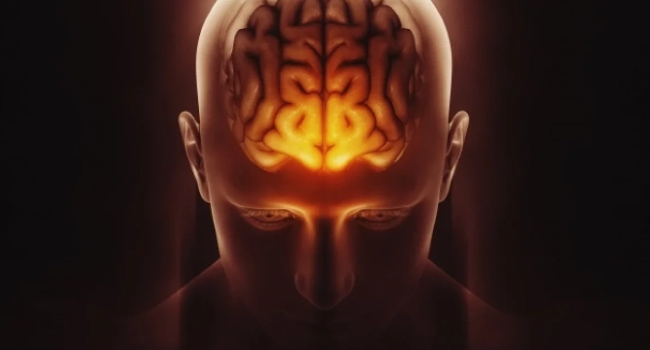
Scientists have described the development of an artificial intelligence model capable of predicting stroke risk up to 10 years in advance using a routine cardiology test.
An article about the new discovery was published in the journal JACC.
The model analyzes data from a standard electrocardiogram (ECG), as well as basic patient information such as age and sex.
The algorithm identifies subtle patterns in the heart’s electrical activity that may indicate hidden abnormalities associated with future strokes, including forms linked to dysfunction in the atria.
According to the researchers, the system demonstrates high accuracy and is comparable in effectiveness to currently used clinical risk assessment scales. It is particularly effective at identifying a type of stroke associated with blood clot formation in the heart, which may potentially be prevented through drug therapy.
The authors emphasize that the technology could become a tool for early screening in routine cardiology, helping identify high-risk patients long before symptoms appear and enabling stronger preventive measures.
Follow NEWS.am Medicine on Facebook and Twitter.