make preferable

A newly engineered targeted radiopharmaceutical therapy has shown promising results against pancreatic ductal adenocarcinoma (PDAC), one of the deadliest forms of cancer. The findings, published in the May edition of The Journal of Nuclear Medicine, demonstrated that the experimental treatment was able to significantly suppress tumor growth and even induce complete remission in preclinical models.
PDAC represents more than 90% of pancreatic cancer cases and is associated with an extremely poor prognosis. For patients whose disease has spread, the five-year survival rate remains below 5%. Surgery is currently the only potentially curative option, but only a small percentage of patients are eligible because the disease is often diagnosed at an advanced stage.
According to Marika Nestor, professor at Uppsala University, pancreatic cancer remains highly resistant to treatment, making the search for new therapies urgent. Previous studies by her team suggested that tumors expressing the CD44v6 marker could potentially be targeted with greater precision using radiopharmaceutical therapy.
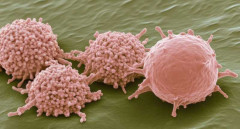
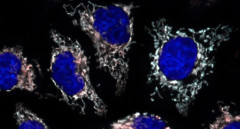
The researchers investigated an experimental radiopharmaceutical called 177Lu-AKIR001, both as a standalone therapy and in combination with standard chemotherapy. They first analyzed four pancreatic cancer cell lines to measure CD44v6 expression, radioligand binding, and responsiveness to chemotherapy.
The team then tested the therapy in mice implanted with human pancreatic tumor cells. Animals received either 177Lu-AKIR001 alone, chemotherapy alone, or a combination of both treatments. Researchers subsequently evaluated tumor response and possible side effects.
Three out of four tested pancreatic cancer cell lines showed expression of the CD44v6 target. In mouse models, uptake of 177Lu-AKIR001 by tumors was strong and highly selective. The treatment reduced tumor growth in a dose-dependent manner, with complete remission achieved in 40% of mice treated with 12 MBq of 177Lu-AKIR001. A combined regimen using lower-dose radiopharmaceutical therapy together with paclitaxel chemotherapy led to complete remission in 14% of animals. Importantly, researchers did not observe major toxic effects.
Nestor noted that targeted radiotherapies have already changed the treatment landscape for prostate cancer and neuroendocrine tumors. The new findings indicate that CD44v6 may become another promising therapeutic target, particularly for pancreatic cancer, where effective treatment options remain limited.
The investigational therapy 177Lu-AKIR001 is already being evaluated in clinical studies involving other cancers. Researchers say the expanding clinical program may help determine how this treatment could eventually be used for pancreatic cancer patients in the future.