make preferable
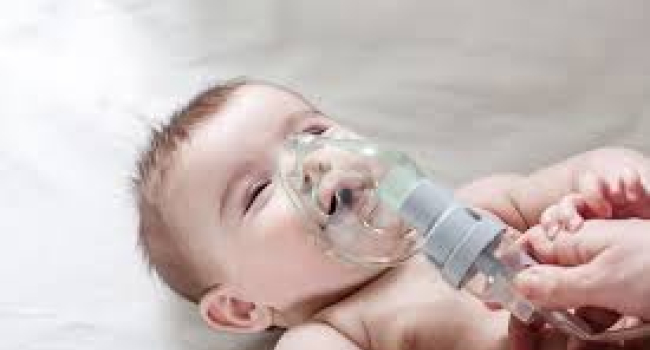
A large clinical trial led by researchers at the University of Arizona found that the antibiotic azithromycin does not improve severe wheezing episodes in preschool-aged children treated in emergency departments.
The Phase III study, known as AZ-SWED, involved 840 children aged 18 to 59 months across eight pediatric emergency departments in the United States. Participants received either azithromycin or a placebo for five days, and researchers monitored symptoms using a standardized assessment tool that tracked breathing, coughing, appetite, mood, and other daily indicators.
The findings, published in the New England Journal of Medicine and presented at the American Thoracic Society meeting in Orlando, showed no meaningful difference between children treated with the antibiotic and those given a placebo.
Researchers also examined whether potentially harmful bacteria in the upper airways contributed to wheezing. More than half of the children carried bacteria such as Streptococcus pneumoniae, Moraxella catarrhalis, or Haemophilus influenzae, but even in these cases azithromycin did not improve symptoms.
Lead investigator Fernando Martinez said the results strongly suggest that antibiotics should not be routinely used for severe wheezing episodes in young children, since these conditions are usually linked to viral infections rather than bacteria.
The study also highlighted concerns about unnecessary antibiotic use, including the growing risk of antibiotic resistance and possible effects on the development of children’s immune systems.
Most children in the trial were also infected with respiratory viruses, especially the common cold virus. Researchers believe viral infections likely play a much larger role in triggering wheezing and asthma symptoms than bacteria.