make preferable

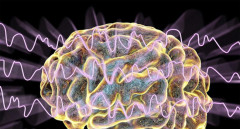
An international team of researchers has found that patterns of brain activity in children as young as nine years old may predict the risk of developing anxiety or depression during adolescence. The study showed that anxiety disorders are mainly associated with activity in the brain’s right hemisphere, while depression is linked to the left hemisphere.
The research, published in Biological Psychiatry, followed children over a seven-year period, tracking changes in brain-wave activity and emotional health.
Scientists used electroencephalography (EEG), functional MRI scans, and machine-learning techniques to analyze the data. EEG recordings were collected when participants were aged 7, 9, and 11, while mental health assessments and additional brain scans were performed at age 13.
The researchers identified age 9 as a crucial turning point in brain development. At age 7, brain signals related to anxiety and depression were still largely overlapping, but by age 9 they had separated into distinct neural pathways.
The study revealed unique brain-wave patterns capable of predicting future anxiety and depression. Moreover, changes in brain activity between ages 9 and 11 were closely associated with symptom severity during adolescence.
Particular attention was given to the amygdala, the brain’s emotional center. The findings showed that anxiety is mainly driven by neural circuits in the right hemisphere linked to threat response and avoidance, whereas depression is associated with left-hemisphere circuits connected to reward processing deficits.
According to lead researcher Pengfei Xu, the results may enable earlier detection of mental health disorders before clear symptoms appear. This could support preventive approaches such as neurofeedback training or non-invasive brain stimulation.
The team also validated the findings using the independent Healthy Brain Network dataset and observed nearly identical EEG patterns, strengthening confidence in the results.
Researchers believe the study could help shift adolescent mental health care from reactive treatment toward earlier prevention and personalized support for children at higher risk.