make preferable
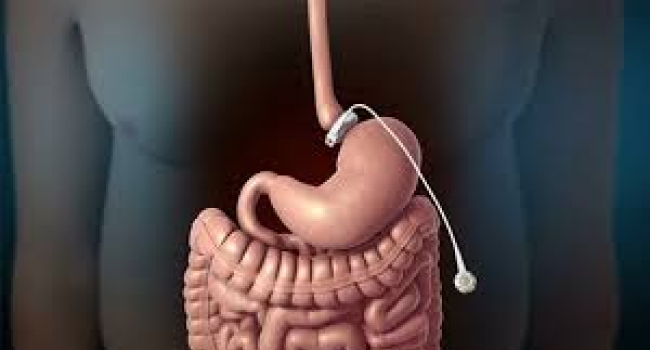
New research suggests that substantial and long-term weight loss after bariatric surgery may significantly reduce the risk of cancer and cancer-related death in women. Scientists also found that factors such as insulin levels, genetics, and biological sex may influence how strongly weight loss affects cancer risk.
The findings come from two studies based on the Swedish Obese Subjects (SOS) study, one of the world’s largest and longest-running investigations into the effects of bariatric surgery. The project, led by University of Gothenburg, has followed more than 4,000 people with obesity, about half of whom underwent weight-loss surgery.
In the first study, published in PLOS, researchers analyzed long-term cancer outcomes with a focus on sex differences and insulin levels. They found that women who underwent bariatric surgery had a lower risk of developing cancer and a reduced risk of dying from cancer compared with women who received standard obesity treatment. The same effect was not clearly observed in men.
The strongest associations were seen for female-specific cancers, including breast and gynecological cancers. The protective effect was especially noticeable in women who had elevated insulin levels before surgery, suggesting that insulin may play a major role in the relationship between obesity, weight loss, and cancer development.
A second study, published in Scientific Reports, explored whether genetic background could influence the reduction in breast cancer risk after bariatric surgery. Researchers followed women with obesity for as long as 33 years.
The study found that women carrying a common variant of the FTO gene — previously associated with both obesity and breast cancer risk — experienced the greatest reduction in breast cancer risk after surgery. In this group, bariatric surgery was linked to an approximately 47% lower risk of breast cancer compared with conventional obesity treatment.
Among women who both carried the FTO gene variant and had high insulin levels at the beginning of the study, the reduction in breast cancer risk reached nearly 64%.
According to the researchers, the findings suggest that the protective effect of weight loss against cancer is likely driven by several interacting biological mechanisms rather than a single factor.
“Our results suggest that there are biological differences between individuals that affect how much cancer risk is reduced after weight loss,” said Kajsa Sjöholm. “By understanding these differences, we move closer to identifying the mechanisms linking obesity and cancer.”
The researchers say the findings are especially relevant as new highly effective obesity medications become more widely available. A better understanding of how weight loss influences cancer risk could eventually support more personalized cancer prevention strategies based on factors such as sex, metabolism, and genetics.