
 make preferable
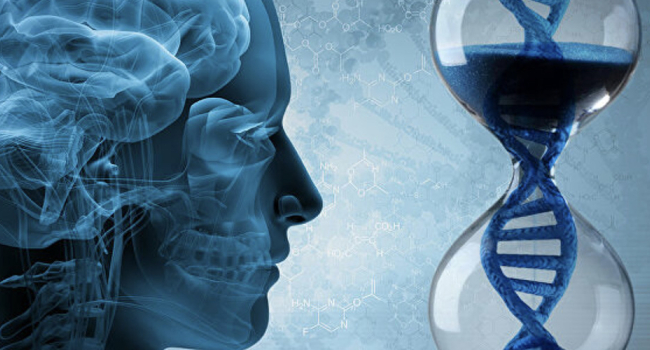
A team of Chinese scientists from Xiamen University, led by Lige Leng, has identified a mechanism in the brain that may play a key role in the aging process. The study found that a decline in the protein menin within the hypothalamus is associated with memory deterioration, inflammation, and other age-related changes, according to Science Daily.
During the experiments, researchers discovered that menin levels in the ventromedial hypothalamus decrease significantly with age. When scientists artificially reduced the protein in young mice, the animals developed signs of premature aging, including impaired memory and balance, reduced bone density, thinning skin, and shorter lifespans.
According to Lige Leng, menin may serve as an important link between the genetic, inflammatory, and metabolic mechanisms involved in aging. Researchers also believe that the amino acid D-serine could become a promising treatment for age-related cognitive decline.
The study showed that menin deficiency leads to lower levels of D-serine, a substance essential for learning and memory functions. D-serine is naturally found in fish, eggs, nuts, and soy products, and is also available as a dietary supplement.
As part of the research, elderly mice received injections of the menin gene directly into the hypothalamus. Within a month, the animals showed improvements in memory, skin condition, and bone density. A separate experiment involving D-serine supplements also improved cognitive performance, although it did not reverse visible signs of aging.
The authors emphasized that the findings have so far only been confirmed in animals. Additional studies are needed to determine whether such treatments are safe and effective for humans. Researchers now plan to investigate why menin levels decline with age and what long-term effects targeting these biological pathways may have.





