make preferable
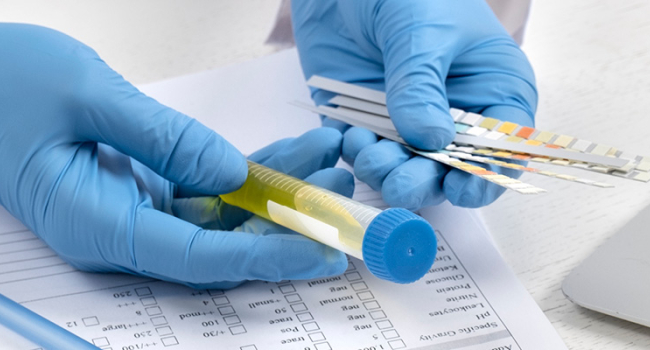
A new study suggests that a simple urine test could help identify children at high risk of autism earlier than current diagnostic methods, potentially allowing for earlier intervention and support.
Researchers found that children with autism often have distinct gut microbiome-related metabolic signatures that can differentiate them from typically developing children. The findings, published in Molecular Psychiatry on May 26, indicate that a urine-based test targeting these biological markers was able to identify 90% of autistic children in the study without incorrectly classifying any neurotypical participants.
According to the research team, many of the metabolites detected are modified forms of serotonin and dopamine, two neurotransmitters involved in mood, cognition, memory, and behavior.
“The bacteria produce metabolites that are essentially altered versions of serotonin and dopamine,” said James Adams, professor of engineering at the Biodesign Center for Health Through Microbiomes at Arizona State University. “These are two key neurotransmitters that affect mood, cognition and memory. This could explain many of the symptoms and co-occurring symptoms in children with autism — their social communication, anxiety, depression and attention.”
The study measured metabolite concentrations in urine samples from 52 children diagnosed with autism and 47 typically developing children. Researchers found that nearly all autistic participants had at least one metabolite level higher than the maximum level observed in the control group. In some cases, concentrations were 100 to 1,000 times greater.
On average, autistic children exhibited about three elevated metabolites, whereas none of the typically developing children showed similar abnormalities. The compounds identified included metabolites linked to the amino acids tyrosine, tryptophan, and phenylalanine, all of which play important roles in neurotransmitter production. Additional metabolites were associated with yeast and fungal activity in the gut.
“What we've discovered is that 80 to 90% of children with autism have extremely high levels of one or more microbially derived metabolites,” said lead researcher Christina Flynn, a recent doctoral graduate of Arizona State University.
Using these findings, the researchers developed a urine test that measures 17 specific metabolites in children aged 2 to 11 years.
“Using this test will tell you which young children are at high risk for being diagnosed with autism, and guide treatment in those who have already been diagnosed to help them lead their best lives,” Flynn said.
The researchers noted that autism diagnosis often takes time because current assessment methods rely largely on observing behavior. Earlier identification could help families access support and interventions sooner.
Flynn also expressed hope that biological testing could help reduce misconceptions about autism.
“We hope there is a reduction in stigma and shame associated with the condition,” she said. “Sometimes diagnostic hesitancy happens because parents feel like they're not good enough parents and they're being judged. But that's not the case because if we can detect it in urine, it's a biology-based condition.”
The researchers emphasized that additional studies are needed to validate the test before it can be used in clinical practice. They also suggested that the findings may open the door to new treatment approaches aimed at modifying gut microbial activity.
“We think reducing the levels of these metabolites may help these children lead healthier and happier lives, and we encourage children to be screened sooner to receive earlier interventions,” Adams said.