make preferable
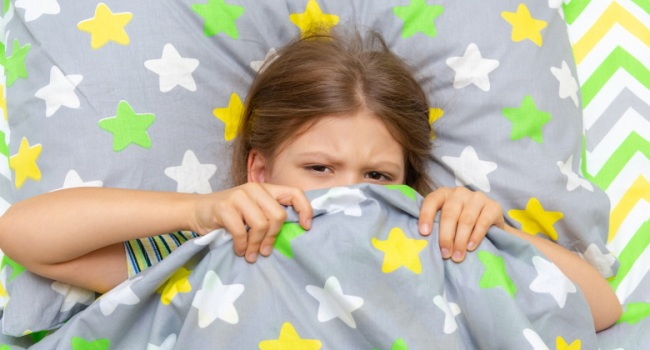
A new study suggests that children who consistently sleep less than their peers throughout early childhood may face a significantly greater risk of developing depression during their teenage years and early adulthood.
The research, led by Dr. Isabel Morales-Muñoz of the University of Birmingham and published in European Child & Adolescent Psychiatry, found that persistent short sleep during childhood was associated with nearly double the likelihood of experiencing depression between the ages of 13 and 22.
Researchers analyzed data from a long-term study involving 15,589 children born in southwest England. The team accounted for a range of factors, including socioeconomic conditions and parental health. Sleep duration was tracked during multiple stages of childhood, while mental health outcomes were assessed during adolescence and early adulthood.
Among more than 8,700 participants who completed mental health assessments, about 80% reported very low levels of depressive symptoms, while approximately 4.5% experienced persistently elevated symptoms of depression.
A more detailed analysis of 1,756 participants with complete sleep and mental health data revealed that children who consistently belonged to the shortest-sleeping group were significantly more likely to develop depression later in life. The researchers calculated an odds ratio of 1.99, indicating that the likelihood of depression was nearly twice as high among these children.
Dr. Morales-Muñoz emphasized that persistent short sleep affected only a small proportion of children in the study and that most participants did not go on to develop chronic depressive symptoms. Nevertheless, the findings highlight sleep as a potentially important factor in long-term mental health.
She noted that sleep is one aspect of childhood that can often be improved without medical treatment, making it a promising target for prevention efforts.
Experts recommend several strategies to promote healthy sleep in children, including maintaining consistent bedtimes, reducing screen exposure before sleep, encouraging physical activity during the day, and creating a calm bedtime environment. Educating families about healthy sleep habits may also help reduce future mental health risks.
However, researchers noted that access to good-quality sleep is not equal for all children. Housing conditions, family income, and neighborhood environments can all influence a child's ability to get sufficient rest.
During the study period, average nightly sleep duration was approximately 11 hours. Children in the persistent short-sleep group typically slept between nine and nine and a half hours per night.
The researchers also examined whether inflammation could help explain the connection between poor sleep and depression. They found evidence that the inflammatory marker interleukin-6 (IL-6) may play a role in this relationship, while another marker, C-reactive protein (CRP), did not appear to have the same effect.
According to the authors, elevated IL-6 levels may be part of a biological pathway linking chronic sleep problems to a greater vulnerability to depression. However, the study was not designed to establish a direct causal relationship.
Co-author Dr. Rebekah Amos said the findings improve understanding of the factors that contribute to severe and long-lasting depression in young people. She added that improving sleep habits and bedtime routines could potentially reduce some of the biological processes associated with future mental health difficulties.