make preferable
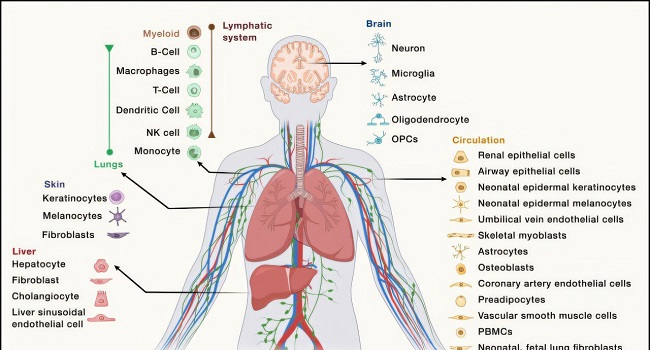
An international consortium of researchers has unveiled the first comprehensive atlas of aging cells in the human body. The achievement marks a major step toward understanding the biology of aging and developing new treatments for age-related diseases. The findings were published across several scientific journals, including Cell, Cell Press Blue, and Molecular Cell.
The project focuses on so-called senescent cells—cells that have stopped dividing but remain alive and continue to influence surrounding tissues.
In young organisms, these cells can play beneficial roles, helping wounds heal and preventing tumor formation. Under normal conditions, the immune system removes them efficiently. However, as people age, this clearance mechanism becomes less effective, allowing senescent cells to accumulate in tissues.
The problem is that over time these cells begin releasing molecules that promote chronic inflammation and contribute to age-related diseases. Many scientists consider them one of the key biological drivers of aging.
Animal studies have already shown that removing such cells can slow certain age-related changes and improve overall health.
To advance research in this area, the U.S. National Institutes of Health launched the Cellular Senescence Network (SenNet) program in 2021. Its goal is to identify and characterize senescent cells across all tissues of the human body.
One of the project’s major achievements is the introduction of the concept of a “senotype.” Researchers propose classifying senescent cells not only by their biological characteristics but also by their location, surrounding environment, and the physiological state of the organism. This approach may help distinguish harmful senescent cells from those that continue to perform beneficial functions.
As part of the initiative, scientists mapped the distribution of senescent cells in multiple organs, including the prefrontal cortex of the brain, the lungs, and lymph nodes.
The team also developed new computational methods and artificial intelligence tools capable of identifying rare senescent cells among millions of normal cells.
A particularly significant finding was the discovery of new aging biomarkers. Researchers identified blood-based indicators that may help predict the development of kidney disease, age-related frailty, and even future risk of diabetes.
The authors believe the atlas will serve as a foundation for the development of a new generation of drugs known as senolytics.
These experimental therapies are designed to selectively eliminate harmful senescent cells while preserving those that continue to provide beneficial functions.
If proven effective and safe, senolytic drugs could open an entirely new chapter in aging medicine and the treatment of age-related diseases.