
 make preferable
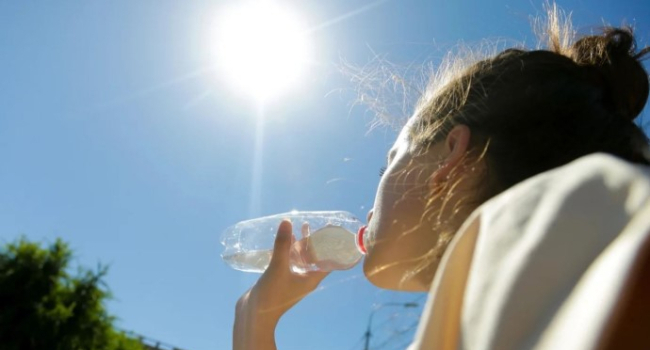
More than 200,000 people in Europe have died from heat-related causes over the past four years, according to a report cited by Medical Xpress.
The World Health Organization Regional Office for Europe estimates that many of these deaths could have been prevented with better national preparedness for extreme temperatures.
According to Dr. Hans Kluge, climate change can no longer be viewed as a distant threat—it has become a “direct and deadly danger.”
He noted that heat waves are no longer rare events but have evolved into a recurring risk factor that places increasing pressure on healthcare systems and public infrastructure.
Experts emphasize that rising summer temperatures cause not only discomfort but also serious medical consequences, ranging from heat exhaustion to life-threatening heatstroke.
Particularly vulnerable groups include older adults, children, people with chronic heart, lung, and kidney diseases, as well as outdoor workers.
The WHO stresses that a significant proportion of heat-related deaths is linked to insufficient adaptation measures. The organization is urging countries to implement national heat-response plans, including the establishment of cooling centers and adjustments to work schedules to minimize outdoor exposure during the hottest hours of the day.
The agency has also called for an ambitious goal of achieving “zero heat-related deaths,” although reaching that target will require long-term investments in infrastructure, healthcare, and urban planning.
At the same time, climate risks are being amplified by natural climate variability. Meteorologists have reported the development of the El Niño phenomenon in the Pacific Ocean, which could intensify global warming effects and contribute to even more extreme weather conditions worldwide.
The WHO also reiterated basic recommendations for protecting people during periods of extreme heat. Key measures include avoiding direct sunlight during midday hours, spending time in cool indoor environments, keeping windows closed and shaded during the day, and ventilating homes at night when temperatures drop.
For homes equipped with air conditioning, an indoor temperature of around 27°C is recommended.
Hydration remains especially important. People are advised to drink sufficient water and use cool showers or damp compresses to lower body temperature. Wearing lightweight, loose-fitting, and light-colored clothing can also help reduce heat stress.
The WHO additionally warns against leaving children or animals in parked vehicles, even briefly, as temperatures inside can rapidly become life-threatening.
People are encouraged to regularly check on elderly relatives and neighbors who may be living alone.
According to public health experts, extreme heat is becoming one of the most dangerous and underestimated consequences of climate change, and its impact is expected to grow in the years ahead.





