
 make preferable
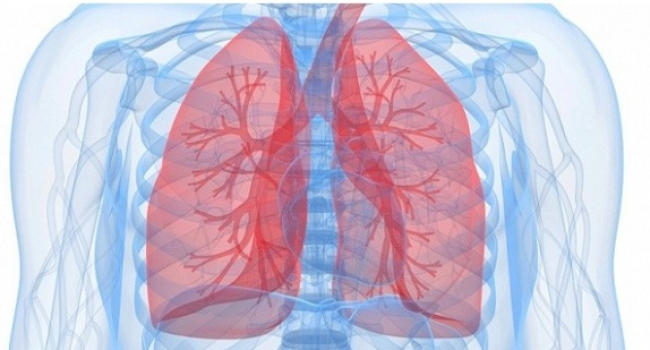
An international team of researchers has identified a genetic variant found in approximately one-third of individuals in the studied population that may increase the risk of severe COVID-19 and the development of lung fibrosis. The findings were published in the journal Nature Communications.
Scientists from the University of Edinburgh, working with colleagues from the University of Sydney, discovered that this genetic variant affects a previously unknown enzyme present in lung tissue. Disruption of the enzyme’s function may be linked to greater susceptibility to severe respiratory diseases.
The researchers emphasize that the enzyme does not belong to the group of well-studied proteins traditionally examined in genetic research. Instead, it is one of a recently identified class of molecules that had largely escaped scientific attention until now. The discovery broadens understanding of how genetic variation can influence disease development.
As part of the study, the team developed a method capable of measuring these proteins in cells even when they are present at extremely low concentrations. This technological advance allowed scientists to investigate the activity of the newly identified enzyme in lung tissue in unprecedented detail.
The researchers found that the genetic variant alters not only the enzyme’s structure and function but also its response to medications, suggesting potential implications for personalized medicine and targeted therapies.
In addition, the team identified similar genetic alterations in other newly discovered proteins involved in regulating vitamin D levels and in the development of heart and kidney diseases. Some of these variants are relatively common, while others are extremely rare but appear to have a stronger impact on health.
According to the authors, many genetic associations with disease may operate through previously unknown proteins, opening new opportunities for disease diagnosis, risk assessment, and drug development.
Dr. Simon Biddie of the University of Edinburgh noted that genetic data have traditionally been interpreted primarily through the lens of already known proteins, limiting scientists’ understanding of disease mechanisms.
“We are now seeing that a substantial proportion of genetic effects may be mediated through previously undescribed proteins. Studying these molecules has the potential to significantly change approaches to diagnosis and treatment,” he said.
The researchers believe their findings highlight the importance of exploring the “hidden” portion of the human proteome, as previously overlooked proteins may play a key role in determining susceptibility to a wide range of diseases, including severe viral infections such as COVID-19.





