
 make preferable
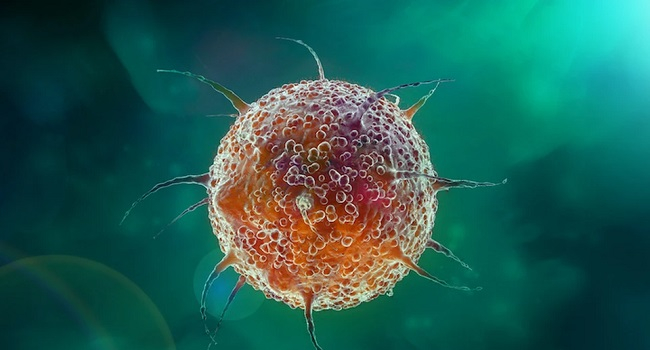
Scientists have identified 70 promising therapeutic candidates against the Puumala hantavirus (PUUV) following a high-throughput phenotypic screening of drug compounds using the live virus. The findings, published in the journal Scientific Reports, could accelerate the development of treatments for diseases caused by orthohantaviruses.
The researchers screened 5,256 compounds, ultimately confirming 70 therapeutic candidates capable of suppressing PUUV infection in human lung cells and vascular endothelial cells. Rather than targeting the virus directly, these compounds interfere with host cell mechanisms that the virus relies on for replication. The identified candidates include both expected and unexpected classes of drugs, including several antibiotics.
Orthohantaviruses are transmitted to humans through aerosols contaminated with rodent excreta and can cause severe illnesses. These include hemorrhagic fever with renal syndrome (HFRS), which is common in Europe and Asia, and hantavirus pulmonary syndrome (HPS), found mainly in the Americas and associated with a mortality rate of up to 30–40%.
In Europe, the Puumala virus is the leading cause of HFRS. First identified in 1980, PUUV has been studied for decades, yet no approved vaccines or virus-specific antiviral therapies are currently available. Treatment remains largely supportive and symptom-based.
For the new study, the researchers developed an automated live-cell microscopy platform capable of monitoring virus–host cell interactions in a high-throughput format. The screening was carried out in two stages: first using human lung epithelial cells and then vascular endothelial cells, which are particularly relevant because the virus primarily targets the vascular system.
After the cells were treated with the test compounds, they were infected with live PUUV. Twenty-four hours later, the researchers analyzed the samples using fluorescence microscopy. Automated image analysis enabled precise measurement of both infection levels and cell viability.
Among the more than 5,000 compounds tested, 151 demonstrated antiviral activity by reducing viral infection, while 23 compounds unexpectedly enhanced viral infection. Following secondary validation, the researchers confirmed 70 of the most promising candidates.
The authors note that several of the leading candidates are already approved drugs, potentially allowing them to be repurposed more rapidly for the treatment of hantavirus infections. They say the study provides a systematic, unbiased strategy for identifying antiviral therapies by focusing on virus–host interactions rather than testing only predefined hypotheses.





