
 make preferable
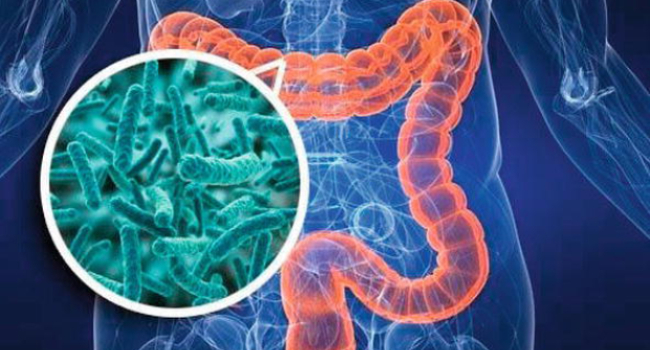
Researchers at the University of Illinois Chicago (UIC) have identified a mechanism that may explain why Salmonella infections remain confined to the intestines in some people but spread throughout the body in others, leading to potentially life-threatening illness. The findings were published in the Journal of Experimental Medicine.
Salmonella bacteria are among the leading causes of foodborne illness. They can be found in raw meat and poultry, unpasteurized dairy products, and domestic animals. In most cases, infection causes diarrhea, vomiting, and abdominal pain. However, in severe cases, the bacteria can enter the bloodstream and trigger systemic infections, including typhoid fever.
Professor Ki Wook Kim, from the Department of Pharmacology and Regenerative Medicine at the UIC College of Medicine, sought to understand why the immune system is sometimes able to contain the infection within the gut, while in other cases it fails to prevent bacterial spread.
The researchers discovered that a key role is played by the mesentery—a large, spiral-shaped organ approximately 1.8 meters (6 feet) in length that anchors the intestines to the abdominal wall and connects them with other internal organs. Although the mesentery is closely linked to the intestines, liver, spleen, and pancreas, many of its functions remain poorly understood.
In experiments conducted in mice, the team found that immune cells within the mesentery help control the spread of Salmonella throughout the body. Two types of immune cells proved to be particularly important: macrophages and monocytes.
Macrophages reside within tissues and act as the body's "clean-up" cells, engulfing invading microbes and removing damaged cells. Monocytes circulate in the bloodstream and migrate to sites of infection or inflammation, where they can develop into macrophages or other immune cell types.
The researchers found that communication between these two cell populations plays a critical role in preventing bacterial dissemination. When mesenteric macrophages were experimentally depleted during Salmonella infection, large numbers of circulating monocytes rapidly accumulated in the mesentery.
The team likened this process to security staff managing entry to a nightclub: macrophages act as gatekeepers, regulating the flow of immune cells by allowing enough monocytes to enter to fight infection while preventing excessive accumulation that could damage surrounding tissues.
According to Professor Kim, a better understanding of how macrophages and monocytes interact within the mesentery could help researchers develop new ways to regulate immune responses and ultimately lead to more effective treatments for intestinal infections.





