make preferable
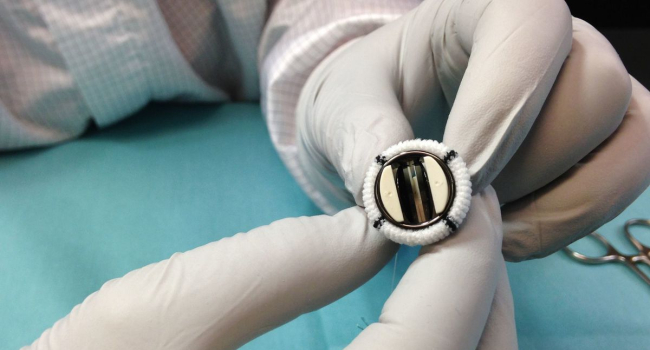
A seven-year randomized clinical trial has found that transcatheter aortic valve replacement (TAVR), a minimally invasive procedure, provides long-term results comparable to traditional open-heart surgery for low-risk patients with aortic valve disease.
The findings, published in JAMA Cardiology, suggest that both treatment approaches offer excellent durability and valve function, giving doctors and patients more flexibility when choosing the best option.
Cardiovascular disease continues to rise worldwide, with more than 28 million people living with heart valve disorders. In the United States alone, approximately 106,000 heart valve replacement procedures are performed each year.
As TAVR is increasingly being offered to younger and healthier patients, researchers have been studying whether the less invasive technique can match the long-term performance of surgical valve replacement.
The latest results from the randomized PARTNER 3 trial followed low-risk patients for seven years after either TAVR or surgical aortic valve replacement. Researchers found that both groups had similarly strong outcomes, with very low rates of valve deterioration, failure, and repeat procedures.
One key difference emerged: blood clots on the replacement valve occurred more often among TAVR patients. Valve thrombosis was reported in 5.2% of those who underwent TAVR, compared with 0.9% of patients who received traditional surgery.
How heart valve replacement works
The heart functions as a one-way pump, and valves ensure that blood moves in the correct direction. They open and close in response to pressure changes inside the heart, allowing blood to pass through and preventing it from flowing backward.
Heart valve disorders generally occur in two forms:
Regurgitation — when a valve does not close properly, causing blood to leak backward and increasing strain on the heart.
Stenosis — when a valve becomes narrowed or stiff, restricting blood flow and forcing the heart to work harder.
Depending on the severity, treatment may include medication, valve repair, or replacement.
Aortic stenosis is one of the most common valve diseases worldwide. It is typically treated either with surgical aortic valve replacement (SAVR), which requires open-heart surgery, or TAVR, which is performed through a catheter and is less invasive.
Although surgical biological valves are designed to last at least 10 years, some may deteriorate earlier. Meanwhile, long-term data on the durability of TAVR valves, especially in younger and lower-risk patients, has remained limited.
TAVR versus surgery: seven-year results
The study included 1,000 low-risk patients who were considered healthy enough to safely undergo open-heart surgery. Participants were randomly assigned to receive either TAVR with the SAPIEN 3 valve or traditional surgical valve replacement.
Patients underwent regular heart imaging examinations over seven years, including assessments at 30 days, one year, annually through five years, and again at seven years.
The researchers found:
Significant valve deterioration occurred in 7.3% of TAVR patients and 7.6% of surgical patients.
Valve failure rates were similar: 6.9% after TAVR and 7.5% after surgery.
A second valve procedure was required in 6% of TAVR patients and 5.5% of surgical patients.
Around 75% of patients in both groups were alive seven years later with a fully functioning replacement valve.
The researchers concluded that TAVR can be considered a reliable long-term alternative to open-heart surgery for selected low-risk patients. However, they emphasized the importance of monitoring TAVR recipients for early signs of valve thrombosis to ensure timely treatment.