make preferable
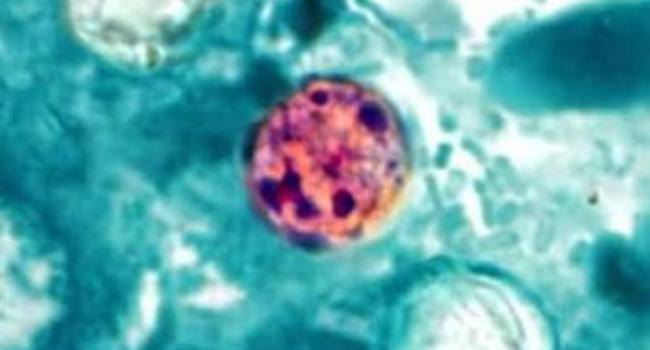
Health authorities in the United States are investigating a significant rise in cases of cyclosporiasis, a parasitic intestinal infection that can cause intense, watery diarrhea. The outbreak has affected multiple states, with Michigan reporting nearly 1,000 cases, making it the largest known outbreak in the state and one of the biggest in the country in recent years.
The US Centers for Disease Control and Prevention (CDC) has reported cases across numerous states, although federal figures may be lower than the actual number because state-level data is updated more quickly. Some patients have required hospitalization, but no deaths have been associated with the current outbreak.
The CDC recently identified shredded iceberg lettuce supplied to Taco Bell restaurants in several states — including Indiana, Kentucky, Michigan, Ohio, and West Virginia — as a possible source of contamination. The investigation found one lettuce supplier linked to the outbreak, and Taco Bell has stopped using products from that supplier.
What causes cyclosporiasis?
Cyclosporiasis is caused by the parasite Cyclospora cayetanensis, which spreads through food or water contaminated with human feces. In the United States, infections are more common during the warmer months, usually from May through August.
Previous outbreaks have been linked to contaminated fresh produce, including berries, herbs such as basil and cilantro, leafy greens, and packaged salads.
The main symptom is prolonged watery diarrhea, which can sometimes be severe and occur repeatedly. Other symptoms may include abdominal cramps, nausea, fatigue, loss of appetite, mild fever, and vomiting.
Symptoms usually appear about a week after exposure, although the incubation period can range from several days to two weeks. Illness may last from several days to more than a month. Some infected people may not develop symptoms.
Although cyclosporiasis can be uncomfortable and disruptive, it is rarely life-threatening. People with weakened immune systems face a higher risk of complications. The infection is usually treated with antibiotics.
How serious is the current outbreak?
Large cyclosporiasis outbreaks are uncommon in the United States. In recent decades, only a few outbreaks have exceeded 1,000 cases.
Previous major outbreaks included one in 1996 linked to contaminated Guatemalan raspberries, which affected nearly 1,500 people, and another in 2019 associated with Mexican basil, which caused more than 2,400 infections in the US and Canada.
How can people reduce the risk of infection?
Health officials recommend avoiding potentially contaminated food and water and carefully washing fresh produce before consumption.
However, washing alone may not completely remove Cyclospora parasites, especially from foods with complex surfaces, such as raspberries, blackberries, lettuce, spinach, cilantro, green onions, and basil.
During the ongoing investigation, experts advise consumers to choose whole heads of lettuce instead of pre-washed packaged lettuce or salad mixes. They recommend removing the outer leaves and washing the remaining leaves thoroughly under running water.
Cooking vegetables and other produce when possible can also help destroy the parasite.