make preferable
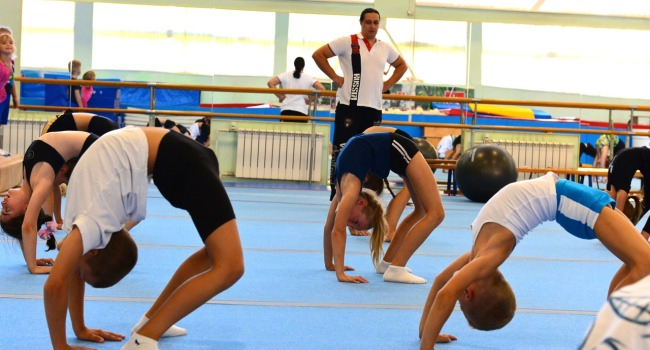
A large European study has found that children and adolescents are becoming less physically fit, with declines in strength, flexibility and healthy body composition over recent decades, raising concerns about their long-term health.
Researchers from the University of Zaragoza analyzed data from 417,362 children aged 6 to 16 across 20 European countries, covering the period from 1965 to 2023. Their findings, published in Sports Medicine – Open, reveal a steady deterioration in several key indicators of physical fitness.
According to the study, upper-body strength has generally declined since the 1970s, while lower-body strength, which improved until the 1980s, has been falling ever since. Flexibility showed the most alarming trend, with a continuous decline that accelerated after 2000.
The researchers also found that body fat levels have increased consistently over time, noting that this trend may be underestimated when relying solely on body mass index (BMI). Cardiorespiratory fitness declined over many years, although the latest data suggest it has remained relatively stable since 2015. Even so, current levels remain below those seen in previous decades.
The authors warn that these changes could have lasting consequences, as physical fitness in childhood is closely linked to future cardiovascular health, healthier body composition and lower risk of premature death.
The World Health Organization recommends that children and adolescents engage in at least 60 minutes of moderate-to-vigorous physical activity every day, including muscle- and bone-strengthening exercises at least three times a week. However, more than three-quarters of European teenagers fail to meet these recommendations.
The researchers say their findings highlight the urgent need for stronger public policies and initiatives aimed at increasing physical activity among children and adolescents.