make preferable
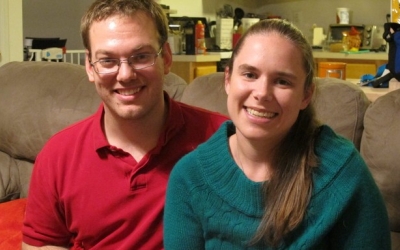
Alyssa Riggan hasn't dwelled on being the first person in the U.S. to successfully receive part of a liver from a living donor 25 years ago, a medical procedure that paved the way for routine live-donor transplants.
The anniversary falls on Thanksgiving this year. Riggan was 21 months old when her mother, Teri Smith, donated more than a third of her liver to save her daughter from a disorder called biliary atresia. Its success has enabled her to live a normal life, almost completely untouched by what was an often-fatal disorder, NewsMax Health reports.
"Most of the time, I didn't think about it," Riggan, 26, said in an interview this week at her home in Severn, Maryland, noting her good health has enabled her to enjoy ballet and tap dancing since age 5.
"All of my anniversaries are really big, so that's when you really think about it the most."
The procedure expanded the options for children with liver disorders, many of whom died while waiting for a liver from a deceased donor. It was first used only in small children.
It's now used for older children, and at some transplant centers, for adults.
Biliary atresia is a disease that blocks liver bile ducts, backing up bile in the bloodstream and the liver. Before Riggan's operation, liver transplants from living donors had been performed only four times - in Brazil, Australia and Japan. Those surgeries involved desperately ill children. Riggan's transplant was the first on a child with time to wait.