make preferable
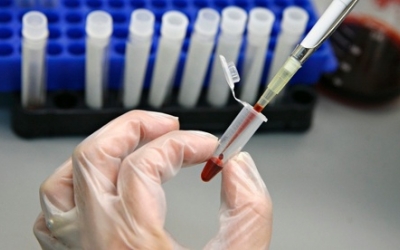
The western world’s first gene therapy drug is set to go on sale in Germany, with a price tag that could amount to an £870,000 cost to treat a single patient, The Guardian reports.
Glybera, a treatment for the rare genetic condition lipoprotein lipase deficiency (LPLD), which clogs the blood with fat, has been developed by Dutch biotech firm UniQure and Italian marketing marketing partner Chiesi. It is undergoing an assessment of benefits by Germany’s federal joint committee, which will report by April 2015.
But the company is seeking a retail price of €53,000 (£42,000) per phial, which equates to €1.1m (£870,000) for a course of treatment for a typical LPLD patient. This price will be subject to a discount under Germany’s drug pricing system.
A Chiesi spokeswoman confirmed the launch price and added that a final figure would be set after the German authorities gave their verdict and negotiations are held with health insurance funds. “First commercial treatments are expected in the first half of 2015,” she said.
With only 150 to 200 patients likely to be eligible for Glybera across Europe, the impact on healthcare budgets will be small, even at a very high price – but this case will be watched closely as a benchmark for future gene therapies.
UniQure also has plans to seek approval for Glybera in the United States, which it hopes to get in 2018.
Although there is already a gene therapy for cancer on the market in China, that has not been rolled out to other countries, making Glybera a first for the west.
Proponents of the gene-fixing technology insist it stacks up as a cost-effective treatment, despite the high cost, as it could permanently cure many patients.
In the case of Glybera, Chiesi said the annualised cost was no more than that charged for some expensive enzyme replacement therapies.
UniQure is also working on gene treatments for haemophilia and has an early-stage project in heart failure.